

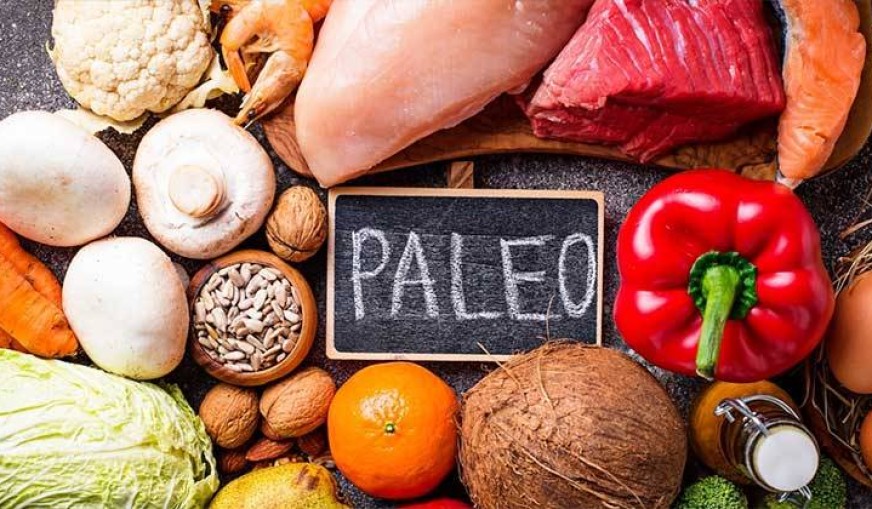
The Paleo diet, also known as the Stone Age or caveman diet, is an eating pattern that aims to focus on natural, unprocessed foods. It centres on the foods our hunter-gatherer ancestors are thought to have eaten, with the aim of cutting back on foods typical of the modern diet.
1. What is the Paleo diet?
The Paleo diet is based on eating protein, healthy fats and natural carbohydrates, while avoiding processed foods, sugar, grains and dairy products.
2. Basic principles of the Paleo diet
- Natural, unprocessed foods are eaten.
- Protein comes mainly from animal sources.
- Healthy fats and natural carbohydrates are preferred.
- Sugar and refined carbohydrates are avoided.
3. Foods eaten on the Paleo diet
Protein sources
- Free-range chicken, red meat, fish
- Eggs
- Seafood
Healthy fats
- Avocado
- Olive oil, coconut oil
- Nuts (almonds, walnuts, hazelnuts)
Vegetables and fruit
- Leafy green vegetables (spinach, cabbage, broccoli)
- Lower-sugar fruit (strawberries, blackberries, apples)
4. Foods avoided on the Paleo diet
- Grains (wheat, barley, rye)
- Milk and dairy products
- Processed foods and refined sugar
- Pulses (lentils, beans, chickpeas)
5. Possible benefits of the Paleo diet
- Cutting back on processed foods may support a healthier eating pattern overall.
- Eating more vegetables, fruit and nuts may contribute to a more varied intake of nutrients.
- Some people report that avoiding refined sugar helps them feel steadier through the day.
6. Who might find the Paleo diet appealing?
- People who want to eat more naturally
- People who want to cut back on sugar and processed foods
- People who are looking for a simple, food-focused way of eating
7. A sample day on the Paleo diet
| Meal | Foods |
| Breakfast | Eggs, avocado, almonds |
| Snack | Nuts and fresh fruit |
| Lunch | Grilled salmon, vegetables cooked in olive oil |
| Snack | Coconut yoghurt and chia seeds |
| Dinner | Grilled chicken, sweet potato mash, rocket salad |
| Evening snack | Herbal tea and walnuts |
8. Possible challenges of the Paleo diet
- In the early days, the lack of carbohydrates can cause tiredness.
- Excluding dairy products can make it harder to get enough calcium.
- In the long term, it can be difficult to maintain around social occasions.
9. Frequently asked questions about the Paleo diet
1. Does the Paleo diet help with weight loss?
Avoiding processed foods and eating more natural foods may help some people manage their weight, but responses differ from person to person.
2. Is the Paleo diet sustainable in the long term?
Depending on individual habits and lifestyle, it can be followed for a longer period.
3. Can I eat sweet foods on the Paleo diet?
Natural sweeteners such as honey or dates can be used in place of refined sugar.
The Paleo diet is a way of eating that aims to focus on natural foods and cut back on processed ones. However, it may not suit everyone and should be considered in light of your own nutritional needs. Speaking to a dietitian before you start is a sensible first step.
This article is for general information only; please consult your doctor and dietitian about your own situation.
Book an appointment for a personalised nutrition plan
The information in this article is general; what you need depends on your age, health and goals. Message us and we will build the plan that suits you together.

This content is for information only. For a personalised nutrition programme, please consult a dietitian.


