

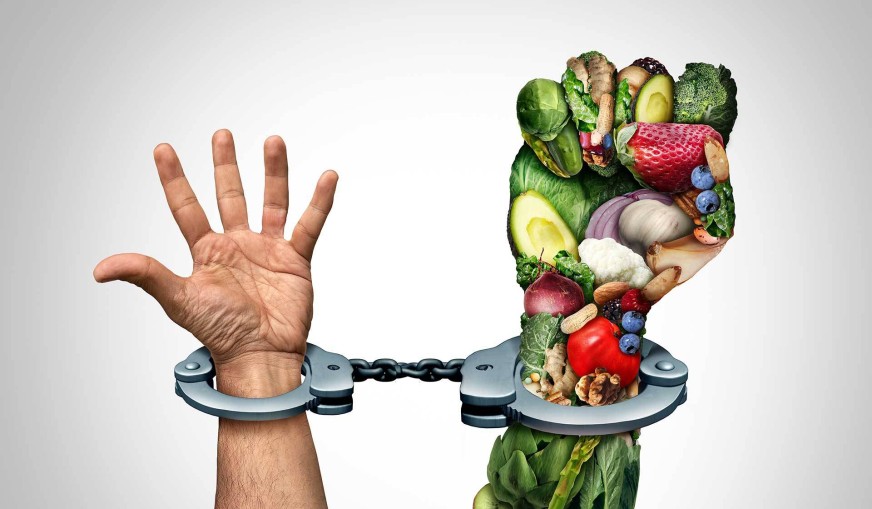
Healthy eating is among the priorities of many people today. From organic products to low-carbohydrate diets, a healthy lifestyle has become part of popular culture. When this trend goes too far, however, healthy eating can turn into an obsession. This is where the term "orthorexia" comes in.
What Is Orthorexia?
The term orthorexia was first coined in 1997 by Dr Steven Bratman. Derived from the words "orthos" (right) and "orexis" (appetite), it describes an excessive fixation on healthy eating.
Orthorexia may begin as an innocent effort to live healthily, but over time it can become an obsession that takes control of a person's life. Sticking rigidly to healthy-eating rules, completely rejecting certain food groups and developing strict rules about how food is prepared are signs of orthorexia.
Unlike other eating disorders, orthorexia is driven less by a wish to lose weight or by worries about body shape than by a wish for healthy living and "pure" eating. Over time, however, the fixation can affect a person's social life and general health negatively.
What Are the Signs of Orthorexia?
The signs of orthorexia show how the fixation on healthy eating affects a person's life. They are as follows:
- Extremely strict rules about food choices: People with orthorexia develop very rigid rules about what they eat.
- Excessive focus on the quality of food: People with orthorexia develop an extreme sensitivity to the "purity" of food. This can lead to intense worry about how food is produced, the additives it contains and genetic modification.
- Overthinking food preparation: The process of preparing meals can itself be a major source of stress.
- Social isolation: Orthorexia also affects social life. Because they are so strict about food choices, these people may not want to take part in social events, and they avoid situations where they would have to eat certain foods.
What Are the Causes of Orthorexia?
Orthorexia does not appear to arise from a single cause. It tends to develop from a combination of factors, including psychological, environmental and social ones.
- Psychological factors: It is often associated with psychological issues such as anxiety, perfectionism and low self-esteem. These individuals may feel a need to keep control of their lives, and healthy eating can be seen as one way of doing so.
- Social pressures: In modern society there is intense pressure around healthy living and a "fit" body image. Social media, diet culture and popular health trends can put people under excessive pressure to eat "perfectly".
- Environmental factors: The family environment and social circle a person grows up in may play a part in the development of orthorexia. People raised with rigid rules about food in childhood may be more prone to it in adulthood.
Ways of Coping with Orthorexia
Orthorexia is treated as a serious eating-related concern, and it deserves professional support. Dealing with this fixation is important for regaining quality of life.
- Seek professional help: Orthorexia is hard to overcome alone. Help from a psychologist, a dietitian or a therapist who specialises in eating disorders is an important step.
- Build balanced eating habits: People should get support from a nutrition specialist to rebalance their eating habits. A balanced and varied diet can help you enjoy healthy eating without it becoming an obsession.
- Work on mental wellbeing: Meditation, mindfulness and stress management techniques can help people balance mind and body in a healthier way.
- Look for social support: The support of family and friends plays a big part in coping with orthorexia. The understanding and support of those close to you can raise motivation and reduce social isolation.
Working through orthorexia is important for regaining quality of life and living more healthily in the long term. Seeking professional help and building balanced eating habits are key steps along the way.
We wish you a balanced and happy life in which healthy eating never turns into an obsession!
This article is for general information only; please consult your doctor and dietitian about your own situation.
Book an appointment for a personalised nutrition plan
The information in this article is general; what you need depends on your age, health and goals. Message us and we will build the plan that suits you together.

This content is for information only. For a personalised nutrition programme, please consult a dietitian.


