

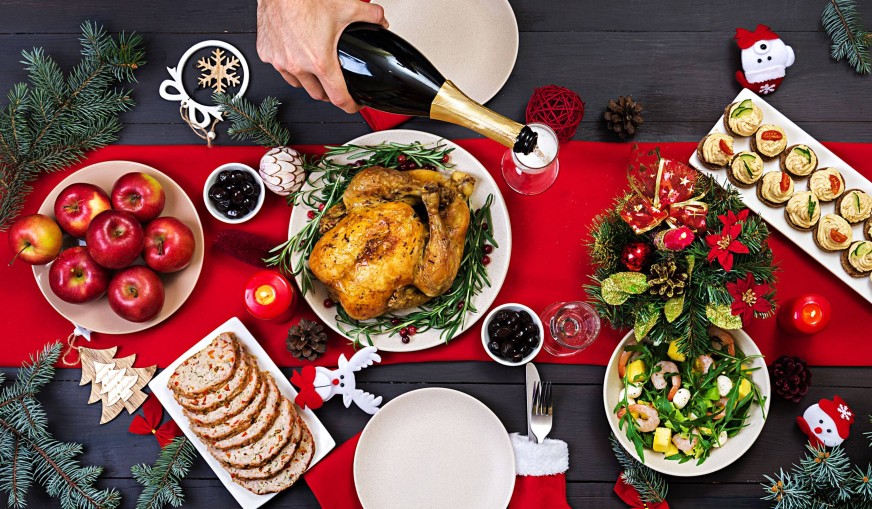
Everyone wants to spend the last day of the year having fun with loved ones. Gathering around a table on New Year's Eve has become almost part of our culture. To look after our health, though, it helps to pay attention to a few small details in our eating on New Year's Eve and the day after.
How Should You Eat on New Year's Eve, and What Should You Watch For?
Dinner and the snacks eaten afterwards are the heart of New Year's Eve. There are some steps you can take to avoid being overwhelmed by your evening appetite and to eat as healthily as you can.

What to Watch for During the Day
- Rather than loading everything into one meal, try to eat in a balanced way across breakfast, lunch and dinner. For adequate and balanced eating, include foods from each food group. One of the biggest mistakes on the last day of the year is to restrict calories by eating very little during the day, which leads to eating much more in the evening. So choose lighter foods and try not to skip meals.
- On New Year's Eve, after an adequate and balanced breakfast, you could have a lunch of soup, a vegetable dish, yoghurt and wholewheat bread.
- You can balance your appetite by having a light snack before dinner.
- Drink plenty of water during the day. This helps you settle your sense of fullness and have a more comfortable evening.
- Eat slowly over a long period and chew your food well, because eating slowly and chewing well lowers the chance of digestive problems.
What to Watch for in Your New Year's Eve Eating
- Eating large amounts of high-calorie food in a single meal can cause digestive problems, so plan your New Year's Eve foods in a balanced way beforehand.
- Try to avoid starters (meze) made with fried foods. Meze (Turkish small starter dishes) that are baked or steamed, vegetable-based and made with cheese or yoghurt are a much healthier choice.
- For the main dish, choose grilled, boiled or steamed foods rather than fried and fatty ones. If you choose turkey, go for a lean, oven-cooked one, and avoid eating the skin and visible fat of turkey, chicken and similar meats.
- If you will have dessert, watch the portion sizes of carbohydrate foods such as rice, pasta and bread at dinner.
- For dessert, choose lighter ones such as fruit desserts, ice cream or milk puddings, and avoid desserts that are fried, soaked in syrup or creamy.
- A New Year's table is one you sit around for many hours with loved ones, so include some low-calorie foods on the table too. You can prepare vegetables such as tomatoes, cucumber, peppers, lettuce and broccoli as snacks.
- Do not forget the salad on the table, because salads are both healthy and a way to add variety.
- If you drink alcohol on New Year's Eve, drink water alongside it, because even mild dehydration can cause problems such as a headache and tiredness the next day.
- Snacks such as nuts in sweet coatings, crisps and chocolate are high in sugar and fat, so they add extra energy. Choose healthier snacks such as raw almonds, hazelnuts, walnuts, roasted chickpeas (leblebi) and dried fruit.
What to Watch for on the First Day of the New Year
- The day after New Year's Eve, you could have breakfast as a brunch.
- You can continue the day with a snack.
- For dinner you can choose light options such as soup, vegetables cooked in olive oil, grilled chicken and salad.
Increase your water intake through the day to help your body feel refreshed. If you need to settle your stomach the next day, you can choose herbal teas such as fennel, aniseed, lemon balm and chamomile.
It is perfectly normal to go outside your usual eating routine on New Year's Eve, so there is no need to feel bad about it. By paying attention to a few small points, you can make your eating a little healthier.
This article is for general information only; please consult your doctor and dietitian about your own situation.
Book an appointment for a personalised nutrition plan
The information in this article is general; what you need depends on your age, health and goals. Message us and we will build the plan that suits you together.

This content is for information only. For a personalised nutrition programme, please consult a dietitian.


