

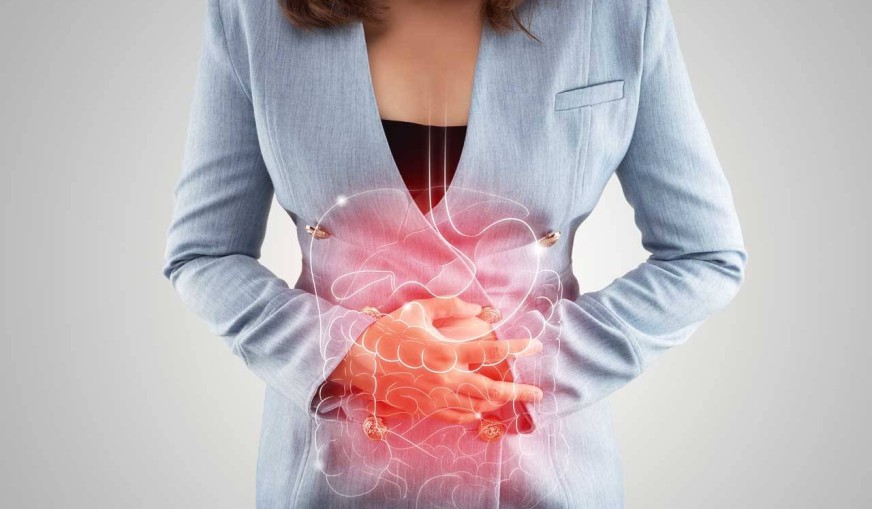
Balanced, adequate and healthy eating habits support overall health, and nutrition is also an important form of support alongside medical care for some health conditions. One of the conditions where nutrition is used as supportive care is Crohn's disease.
What Is Crohn's Disease?
Crohn's disease is a type of inflammatory bowel disease. In other words, it results from inflammation of the gastrointestinal system. It is most often seen in the small intestine and colon, but it can affect any part of the gastrointestinal (GI) tract, which runs from the mouth to the anus.
What Are the Symptoms of Crohn's Disease?
The symptoms of Crohn's disease include:
- Weight loss
- Loss of appetite
- Diarrhoea
- Abdominal cramps
- A feeling that the bowel is still not empty after a bowel movement
- Blood in the stool
- A feeling that bowel movements are insufficient
- Fever
- Exhaustion
These symptoms can have many causes, so please see your doctor for a proper assessment.
What Causes Crohn's Disease?
The cause of Crohn's disease is not clearly known. However, the following factors are thought to contribute to its development:
- An immune system that is not working as it should
- Genetic factors
- Environmental influences
What Should Nutrition Look Like in Crohn's Disease?
Food does not cause Crohn's disease, but it can trigger flare-ups. For this reason, nutrition in Crohn's disease should be thought of as a way of supporting the management of the condition alongside your medical care.
If you have Crohn's disease, it is important to get support from a nutrition specialist, because a specialist understands how foods can affect symptoms and how the diet should be maintained to support management of the disease. This also helps you avoid mistakes made without guidance.
Nutritional support in Crohn's disease varies from patient to patient, because the disease can affect different areas of the GI tract in different people. So a personal eating plan should always be prepared, together with your doctor.
Which Foods Might Be Part of a Crohn's Eating Plan?
Crohn's disease is not a condition that can be addressed with a single type of eating plan, so different people may have different foods in their diets. Nutrition should also be seen as support for medical care, not as the main treatment.
The following foods and supplements may be part of an eating plan in Crohn's disease:
- Low-fibre foods (such as white bread and white rice)
- Milk (in particular situations, with banana)
- Omega-3 fats
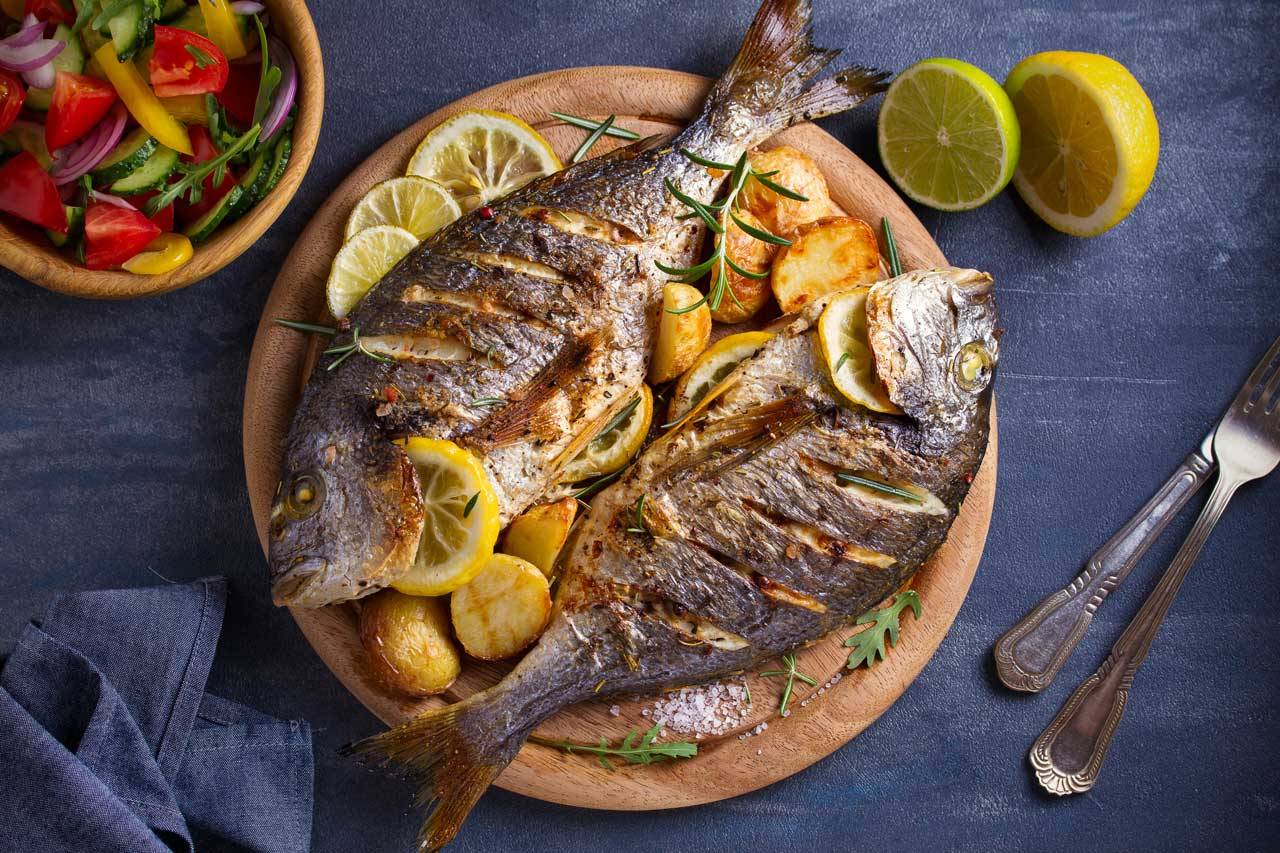
- Fish
- B12 supplement
- Vegetables and fruit
- High-fibre foods
- Yoghurt and aged, hard cheeses where there is no lactose intolerance
- Eggs
- Small amounts of nuts, in soft, crushed forms
- Fish oil supplement
- Vitamin D supplement
These foods and supplements are usually added to an eating plan to support medical care in Crohn's disease. Depending on the severity and state of the disease, however, some of the foods on this list may need to be limited. For this reason the eating plan should be prepared by a nutrition specialist, together with your doctor. Please do not start any supplement without checking with your doctor.
What Foods May Need to Be Limited in Crohn's Disease?
Foods that people with Crohn's disease are often advised to limit or watch include:
- High-fat foods such as mayonnaise, cream and butter
- Spices
- Packaged foods
- Pulses (chickpeas, beans, lentils)
- Red meat
- Raw vegetables and fruit
- Fizzy drinks
- Fried foods
- Cabbage
- Broccoli
- Seeds
- Sweetcorn
- Cauliflower
- Caffeine
- Alcohol
- Glucose
- Lactose
- Gluten
Glucose, gluten and lactose are limited in some cases. They should be tried in a controlled way, checking whether they cause any problems, and only then eaten. Foods that cause no trouble for someone else may not suit you, so it is always worth proceeding with care.
This article is for general information only; please consult your doctor and dietitian about your own situation.
Book an appointment for a personalised nutrition plan
The information in this article is general; what you need depends on your age, health and goals. Message us and we will build the plan that suits you together.

This content is for information only. For a personalised nutrition programme, please consult a dietitian.


