

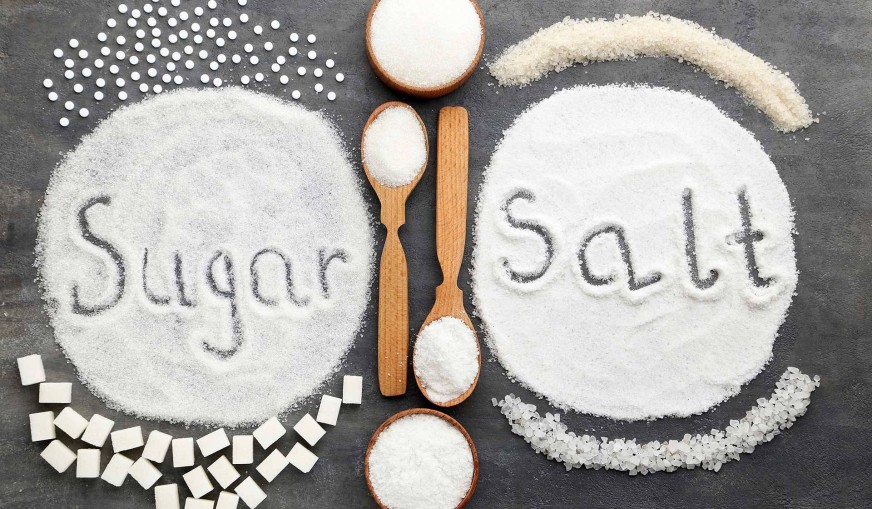
Modern life, with its search for quick and practical solutions, has steered many of us towards ready meals and processed foods, and a large share of these foods contain high amounts of sugar and salt. To lead a healthy life, we need to take conscious steps in how we use sugar and salt. So how can we do that?
The Effects of Sugar on the Body
Sugar can have a number of negative effects on the body. In general, these effects are as follows:
- It can contribute to weight gain: Eating too much sugar, especially the extra calories that come from sugary drinks and snacks, can contribute to weight gain.
- It is linked to diabetes risk: Excessive sugar intake may increase insulin resistance and raise the risk of type 2 diabetes. Refined sugars in particular cause sudden rises and falls in blood sugar, which puts strain on the pancreas.
- It can affect heart health: A high sugar intake may increase risk factors for heart disease, such as high blood pressure, inflammation and high triglyceride levels. Processed sugars containing fructose in particular have been linked to fatty liver and heart problems.
- It can harm dental health: Sugar feeds the bacteria that cause tooth decay. These bacteria use the residue of sugary foods to produce acid, which damages tooth enamel.
The Effects of Salt on the Body
Like sugar, salt has various effects on the body, so sugar and salt intake should be kept under control.
The effects of salt on the body are as follows:
- It can raise the risk of high blood pressure: Salt makes the body retain water, which increases blood volume. This puts more pressure on the blood vessels and can lead to high blood pressure (hypertension). Over the long term, high blood pressure raises the risk of heart attack and stroke.
- It can raise the risk of heart disease: A high salt intake can affect heart and blood vessel health negatively. Too much salt may contribute to hardening of the arteries (atherosclerosis) and heart disease.
- It can affect kidney health: Too much salt makes the kidneys work harder and may raise the risk of kidney problems. It may also contribute to the formation of kidney stones.
- It can affect bone health: Excess salt can cause calcium loss and so affect bone health, which may raise the risk of osteoporosis (bone loss).
What to Look Out For in Foods Containing Sugar and Salt
To take conscious steps with sugar and salt, it helps to pay attention to the following:
- Get into the habit of reading labels: Reading product labels when you shop tells you about the sugar and salt content. Remember that sugar is listed under different names (glucose syrup, fructose, sucrose).
- Limit processed foods: Processed foods often contain high amounts of sugar and salt. Products such as flavoured snacks, instant soups, sauces and frozen ready meals are worth limiting for the sake of your health.
- Think about natural sweeteners: Natural sweeteners such as honey, maple syrup, dates and stevia may be an alternative to refined sugar, and some of them raise blood sugar more slowly. They still count as sugar, though, so use them in moderation.
- Cook at home: Preparing your own meals at home lets you control the amount of sugar and salt. You can make healthier dishes using fresh, natural ingredients.
Healthier Alternatives
Here are some healthier alternatives you can turn to while keeping sugar and salt under control:
- Fresh fruit and vegetables: Fresh fruit and vegetables contain natural sugars and minerals. They are also rich in fibre and help you feel full, which reduces the risk of overeating.
- Wholegrains: Choose wholemeal bread, brown rice and wholewheat pasta instead of refined products such as white bread and pasta. These have a lower glycaemic index and are digested more slowly.
- Low-sodium products: Choosing products labelled low-sodium or sodium-free is one way of reducing your salt intake. You can also add flavour to your meals with spices and herbs instead of extra salt.
- Healthy snacks: Instead of crisps and sweets, it is better to snack on walnuts, almonds, dried fruit and yoghurt. These snacks are both nourishing and filling.
Mindful consumption is key to a healthy life. With simple steps such as getting into the habit of reading labels, limiting processed foods, eating natural and fresh foods, cooking at home and controlling portions, your sugar and salt intake can be managed in a healthy way. Remember, balanced and mindful eating is the foundation of a healthy and happy life in the long term.
This article is for general information only; please consult your doctor and dietitian about your own situation.
Book an appointment for a personalised nutrition plan
The information in this article is general; what you need depends on your age, health and goals. Message us and we will build the plan that suits you together.

This content is for information only. For a personalised nutrition programme, please consult a dietitian.


