

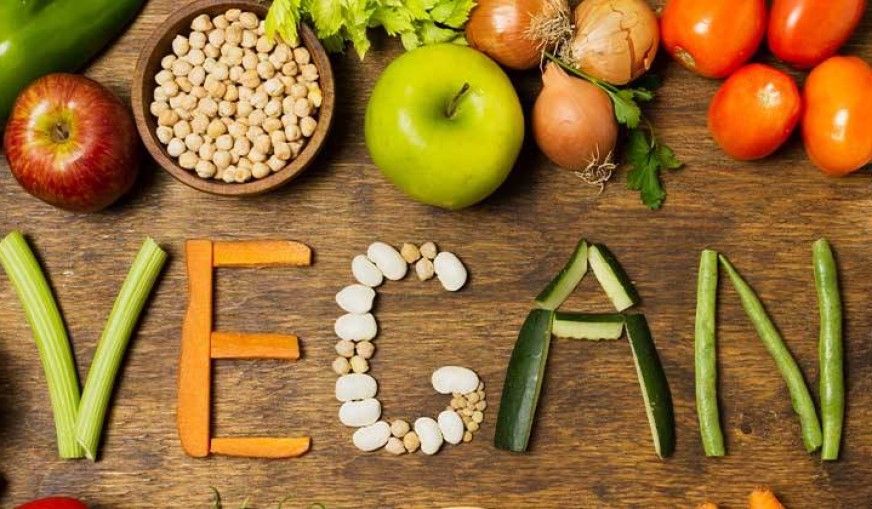
A vegan diet is a plant-based way of eating in which animal foods are left out completely. Its popularity has grown in recent years. It can offer a number of health advantages, but it also carries a risk of certain nutrient shortfalls. So is vegan eating really healthy? Here is a detailed look at the diet, with its possible advantages and risks.
Possible Advantages of Vegan Eating
1. It May Support Heart Health
- Thanks to its low saturated fat content, it may help keep cholesterol levels healthy.
- Being rich in fibre, it can be part of a heart-friendly diet.
2. Lower Calorie Density
- Plant-based diets generally have a low calorie density.
- This can be helpful for some people in managing their weight.
3. Blood Sugar
- The low glycaemic index of many plant foods may support insulin sensitivity.
- Research has looked at plant-based diets in relation to type 2 diabetes risk. If you have diabetes, please plan any change in diet with your doctor.
4. Research on Long-Term Health
- Eating less processed meat and high-fat animal foods is associated with good health outcomes in some research.
- Antioxidants in plant foods contribute to a healthy diet.
5. It Supports the Digestive System
- Vegetables, fruit and wholegrains, which are rich in fibre, make digestion easier.
- Fibre also feeds the beneficial bacteria in the gut.
Risks and Shortfalls of Vegan Eating
1. Vitamin B12 Deficiency
- Vitamin B12 is found only in animal foods. A deficiency can affect the nervous system.
- Supplements or foods fortified with B12 should be used, as advised by your doctor or dietitian.
2. Risk of Too Little Protein
- Animal proteins are complete protein sources.
- Good protein sources for vegans: lentils, chickpeas, beans, tofu, quinoa, chia seeds.
3. Iron Deficiency
- Iron from plants is absorbed less well than iron from animal foods.
- Eating it together with vitamin C may help absorption (for example leafy greens with orange juice).
4. Omega-3 Fatty Acid Shortfall
- Because fish is not eaten, it can be hard to get DHA and EPA.
- Plant sources such as walnuts, flaxseeds and chia seeds should be included.
5. Too Little Calcium and Vitamin D
- Because milk and dairy products are not eaten, calcium can fall short.
- Alternatives: almond milk fortified with calcium, supplements if your doctor advises them, and enough sunlight.
How Should a Vegan Diet Be Balanced?
For a vegan diet to be healthy, the following points should be borne in mind:
- Take a vitamin B12 supplement, as advised.
- Eat foods that contain enough protein.
- Eat iron-rich foods together with vitamin C to help absorption.
- Eat foods rich in omega-3.
- Keep an eye on your calcium and vitamin D levels.
When followed in a balanced and informed way, vegan eating can be part of a healthy lifestyle. Some nutrient shortfalls can be a risk, however. A well-planned vegan diet, supported by the right supplements where needed, can support your health and weight management. It is therefore useful to speak to a nutrition specialist before starting a vegan diet. Results vary from person to person.
This article is for general information only; please consult your doctor and dietitian about your own situation.
Book an appointment for a personalised nutrition plan
The information in this article is general; what you need depends on your age, health and goals. Message us and we will build the plan that suits you together.

This content is for information only. For a personalised nutrition programme, please consult a dietitian.


