

Iron is a mineral that is essential for making haemoglobin, which carries oxygen in our bodies, and for the immune system and energy metabolism. Vegans and vegetarians, however, get plant-based non-haem iron rather than the haem iron found in animal foods.
So what are good iron sources for vegans and vegetarians, and which foods should you eat them with to help absorption? Here are sources of iron for people who eat a plant-based diet and ways to help your body absorb it.
1. Why iron matters to the body
Iron has several important functions in the body:
- Carrying oxygen: it is part of haemoglobin in red blood cells, which carries oxygen to cells.
- Energy production: it is needed for energy production in the cells.
- Immune system: it supports the proper working of immune cells.
- Cognitive function: it supports brain function and memory.
Low iron can be more common in vegans and vegetarians and is associated with symptoms such as:
- Constant tiredness and weakness
- Dizziness and headaches
- Pale skin and brittle nails
- Poor concentration and memory problems
Tip: if you have these symptoms, please see your doctor. Iron status is checked with a blood test, and you should not start iron supplements without medical advice.
2. Iron sources for vegans and vegetarians
The iron found in vegan and vegetarian diets is called non-haem iron, and it is absorbed less well than the haem iron in animal foods. This is why it is important to eat enough plant-based iron sources and to combine them with foods that help absorption.
Plant-based iron sources:
Pulses (some of the richest plant sources of iron)
- Lentils (100 g): 3.3 mg iron
- Chickpeas (100 g): 2.9 mg iron
- Black beans (100 g): 2.1 mg iron
- Borlotti beans (barbunya) (100 g): 2.5 mg iron
- Soya beans (100 g): 15.7 mg iron
Tip: to help absorption, eat pulses with foods rich in vitamin C, such as lemon, peppers or parsley.
Dark green leafy vegetables
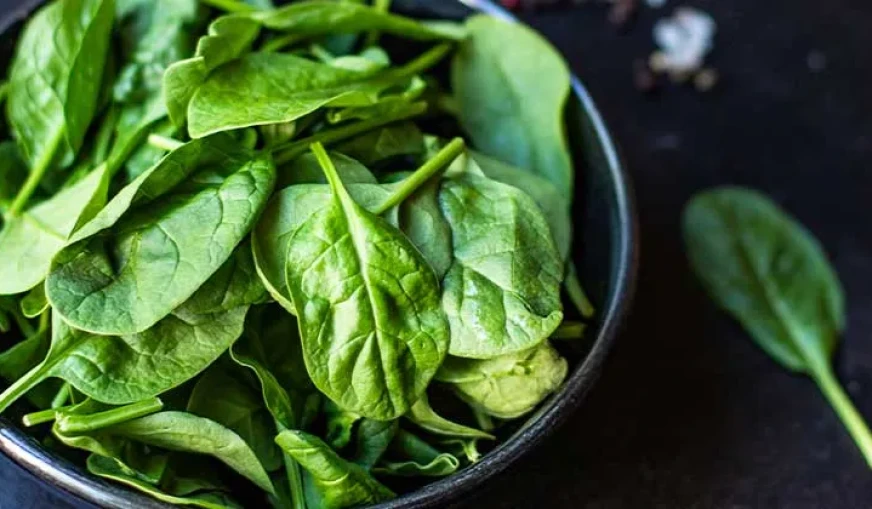
- Spinach (100 g): 2.7 mg iron
- Kale (100 g): 1.5 mg iron
- Chard (100 g): 2 mg iron
- Rocket (100 g): 1.6 mg iron
- Watercress (100 g): 1.5 mg iron
Tip: oxalates in spinach and other green vegetables can reduce iron absorption, so steaming them may help.
Nuts and seeds
- Pumpkin seeds (30 g): 4.2 mg iron
- Flaxseed (30 g): 2 mg iron
- Sesame seeds (30 g): 2.2 mg iron
- Almonds (30 g): 1.2 mg iron
- Cashews (30 g): 1.7 mg iron
Tip: eating nuts raw or lightly roasted helps you get the most from their nutrients.
Wholegrains
- Quinoa (100 g, cooked): 1.5 mg iron
- Oats (100 g, dry): 4.2 mg iron
- Brown rice (100 g, cooked): 0.8 mg iron
- Wholemeal bread (1 slice): 0.7 mg iron
- Rye flour (100 g): 2.5 mg iron
Tip: eating wholegrains with foods containing vitamin C can help absorption.
Dried fruit
- Dried apricots (100 g): 2.7 mg iron
- Raisins (100 g): 1.9 mg iron
- Dried figs (100 g): 2.2 mg iron
- Dates (100 g): 1.3 mg iron
Tip: eating dried fruit with yoghurt or tahini adds variety to your iron intake.
3. Factors that help iron absorption
You can try the following to help your body absorb plant-based iron better:
- Eat iron-containing foods with foods that contain vitamin C:
Foods such as lemon, orange, grapefruit, strawberries, kiwi, peppers and parsley can help iron absorption. - Include fermented foods:
Fermented foods such as yoghurt, kefir and pickles support gut health and may help iron absorption. - Soak and sprout pulses:
Soaking pulses such as lentils, chickpeas and beans for 8 to 12 hours, or sprouting them, reduces their phytate content, which may help iron absorption.
Tip: when you eat iron-rich foods, drinking a glass of freshly squeezed orange juice alongside can help absorption.
4. Factors that reduce iron absorption
Some foods and drinks can reduce the absorption of plant-based iron.
Factors that reduce iron absorption:
- Tea and coffee: the tannins they contain can reduce iron absorption.
- Milk and dairy products: their high calcium content can reduce iron absorption.
- Foods containing oxalates: vegetables such as spinach, chard and beetroot contain oxalates, which can make it harder to absorb iron.
- Very high-fibre foods: eating a very large amount of fibre can reduce iron absorption in the gut.
Tip: having tea and coffee at least 1 hour after meals can help stop them getting in the way of iron absorption.
Looking after your iron intake on a vegan or vegetarian diet
- Eat iron-rich plant foods regularly.
- Eat them with foods containing vitamin C to help absorption.
- Be mindful of tea, coffee and dairy around iron-rich meals.
- Include pulses, nuts and leafy green vegetables in your diet to help meet your daily iron needs.
Remember: it is possible to get enough iron with a balanced eating plan. If you are concerned about your iron levels, please talk to your doctor and a dietitian.
This article is for general information only; please consult your doctor and dietitian about your own situation.
Book an appointment for a personalised nutrition plan
The information in this article is general; what you need depends on your age, health and goals. Message us and we will build the plan that suits you together.

This content is for information only. For a personalised nutrition programme, please consult a dietitian.


