

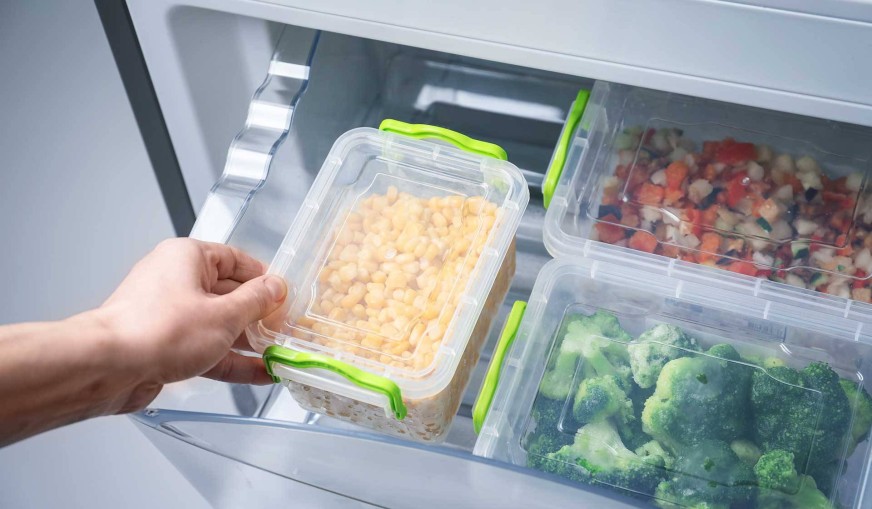
Storing leftovers properly is a great way to cut down on food waste. Although being thrifty is wise, food that has been left in or out of the fridge for too long can pose a health risk. For this reason it is important to have accurate information on how long food can be stored safely.
Types of Leftovers
How long food stays safe depends on several factors, such as safe preparation, proper storage and the type of food. Whether the leftovers are sauteed vegetables or fish cakes affects how long they can safely be kept in the fridge. This is because some foods are more likely to harbour pathogens, such as bacteria or toxins, that can make you ill.
Low-Risk Foods
Low-risk foods for leftovers are as follows:
- Fruit and Vegetables
All raw fruit and vegetables should be washed thoroughly in clean water before eating. Fresh fruit that has been washed well and cut can be kept for about 3 to 5 days before it starts to lose freshness. Once cooked, leftover vegetables stored in an airtight container generally keep for up to 3 to 7 days in the fridge.
Cooked or canned vegetables, such as beans or other pulses, generally last 7 to 10 days with proper storage.
Fruit and vegetables with a high water content, such as tomatoes, cucumbers and strawberries, lose their freshness more quickly than those with a low water content, such as cabbage, potatoes and bananas.
- Bread
Another low-risk product is bread. Homemade bread can last about 3 days at room temperature, while shop-bought bread will be safe to eat for about 5 to 7 days as long as you do not see any mould. Mouldy bread should never be eaten.
Keeping bread in the fridge helps extend its shelf life by about 3 to 5 days, but it loses quality the longer it stays there.
Medium-Risk Foods
Cooked pasta and grains such as barley and quinoa can be kept for up to 3 days when stored properly. If you freeze them after cooking, it usually takes 3 months before they start to lose freshness.
Desserts and sugary foods generally last about 3 to 4 days in the fridge.
High-Risk Foods
High-risk foods for leftovers are as follows:
- Cooked rice
Rice can carry spores of Bacillus cereus. This bacterium produces toxins that can cause food-borne illness. You should cool rice within 1 hour of cooking it and eat it within 3 days.
- Meat and Poultry
Minced meat and poultry that have been cooked to a safe temperature can keep in the fridge for about 1 to 2 days as long as they are stored at 41°F (5°C) or below. Other meat and poultry, such as steak, fillets, chops and roasts, keep for 3 to 4 days in the fridge.
You should cook these products within 2 days of defrosting them. Opened deli meat should be eaten within 3 to 5 days of opening. In the same way, cold deli products such as egg, tuna or chicken salad should be eaten within 3 to 5 days.
- Shellfish, Eggs, Soups and Stews
Eggs are a higher-risk food because they can carry Salmonella bacteria. Boiled eggs should be eaten within 7 days of being cooked and cooled.
Shellfish and fish are delicate, because they can harbour many pathogens or toxins such as histamine that can make you ill. Leftovers containing seafood should be eaten within 3 days.
Soups and stews, whether with meat or fish or without meat, generally keep for 3 to 4 days in the fridge.
How Can You Tell If Food Has Spoiled?
You should check your food for signs of spoilage by looking at it and smelling it.
First, look for changes in texture or the appearance of mould, which can come in various colours such as white, green, orange-red, pink or black fur. This shows that the food has spoiled and should be thrown away. If you see mould, do not sniff it, because doing so can cause breathing problems. If a slimy surface has formed, as can happen with deli products, that food should also be thrown away.
If leftovers smell bad, they are not fit to eat. In the same way, if the colour of the food has changed, it is no longer safe to eat. However, if you take a bite of your leftovers and notice that the flavour has gone off in some way, throw the food away immediately and spit it out if you have not swallowed it.
Tips for Proper Storage
Bacteria grow between 40°F (4°C) and 140°F (60°C). This temperature range is known as the “danger zone”. To keep food out of the danger zone, leftovers should be chilled or frozen within 2 hours. If you are outdoors and the temperature is above 32°C, you need to chill or freeze them within 1 hour.
It is better to store hot food in airtight, smaller and shallower containers. This will help the food cool more quickly and evenly.
While chilling slows the growth of most bacteria, remember that some microbes, such as Listeria monocytogenes, can also grow at chilled temperatures. For this reason it is important to keep in mind how long you have kept a particular item in your fridge.
This article is for general information only; please consult your doctor and dietitian about your own situation.
Book an appointment for a personalised nutrition plan
The information in this article is general; what you need depends on your age, health and goals. Message us and we will build the plan that suits you together.

This content is for information only. For a personalised nutrition programme, please consult a dietitian.


