

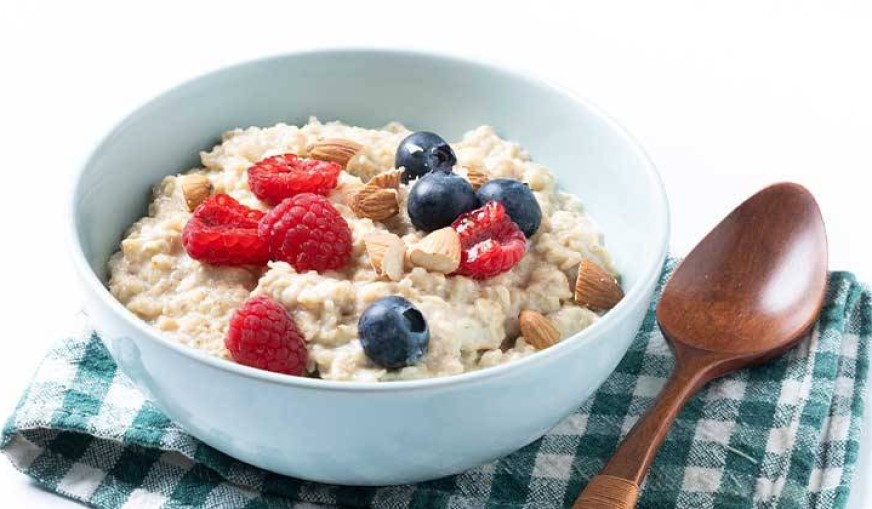
Breakfast is considered one of the most important meals of the day. The foods you eat in the morning can help you feel energetic and full through the day. Good breakfast choices can contribute to steady energy, and a balanced breakfast can support concentration.
So what should a healthy breakfast look like, and which foods can help you start the day well? Here are balanced, nourishing and filling breakfast foods.
Possible benefits of a healthy breakfast
- Steady energy: a breakfast with a balance of protein, fat and carbohydrate can help you keep your energy up through the day.
- Longer-lasting fullness: breakfasts rich in fibre and protein may help you avoid hunger pangs.
- Brain function: a breakfast with plenty of vitamins and minerals can support focus.
Now let us look at some healthy foods that can be eaten at breakfast.
1. Eggs: a nourishing protein source
Why eat them?
- They contain high-quality protein.
- They can keep you full for longer.
- They contain choline, which is needed for brain health.
- They support muscle maintenance.
How to eat them:
- Boiled eggs
- Omelette (with vegetables or lor cheese, a Turkish cottage cheese)
- Menemen (Turkish scrambled eggs with tomato and peppers)
- Poached eggs
2. Oats: rich in fibre and filling
Why eat them?
- Their high fibre content supports digestion.
- They release energy slowly, which can delay hunger.
- They contain beta-glucan, a fibre that is good for the heart.
How to eat them:
- Porridge made with milk or plant milk
- Oats mixed with yoghurt and fruit
- With cinnamon, chia seeds and walnuts
3. Avocado: a source of healthy fats
Why eat it?
- It contains unsaturated fats that fit into a heart-friendly diet.
- It contributes nutrients that are part of a diet that supports healthy skin and hair.
- It can help you feel full for longer.
How to eat it:
- Mashed avocado on wholegrain bread
- Avocado with eggs
- Avocado in a smoothie
4. Yoghurt and kefir: probiotics for the gut
Why eat them?
- They contain probiotics, which support gut health.
- They are rich in protein and support muscle maintenance.
- They are part of a diet that supports the immune system.
How to eat them:
- Yoghurt mixed with fruit and oats
- A yoghurt bowl with honey and walnuts
- Added to smoothies
5. Wholegrain bread: a source of energy
Why eat it?
- It releases energy more steadily than white bread.
- It contains B vitamins, which play a role in energy metabolism.
- It contains fibre that is easy to digest.
How to eat it:
- Toast with avocado and egg
- A sandwich with cheese and greens
- With peanut butter and banana slices
6. Cheese: a source of calcium and protein
Why eat it?
- It contains calcium, which is needed for bone health.
- Its high protein content helps you feel full.
- Some cheeses contain live cultures.
How to eat it:
- A vegetable breakfast with lor cheese
- An omelette with white cheese
- Toasted wholegrain bread with cheese and tomato
7. Chia and flax seeds: omega-3 and fibre
Why eat them?
- They contain omega-3 fatty acids, which fit into a heart-friendly diet.
- Their high fibre content supports digestion.
- They can help you feel full for longer, which can fit into a weight management plan.
How to eat them:
- Stirred into yoghurt or smoothies.
- As a chia pudding for breakfast.
- Sprinkled on porridge.
8. Nuts and almond butter: healthy fats and protein
Why eat them?
- They contain vitamin E.
- Their healthy fats help provide lasting energy.
- They are rich in protein and fibre.
How to eat them:
- Spread peanut butter on wholegrain bread
- Added to yoghurt and fruit bowls
- As raw almonds, walnuts or hazelnuts
9. Fruit and vegetables: vitamins and antioxidants
Why eat them?
- They contribute to a diet that supports the immune system.
- They are rich in fibre and support digestion.
- They contain antioxidants.
How to eat them:
- As a fruit salad
- As a smoothie
- Served with cheese or yoghurt
10. Herbal teas and green tea
Why drink them?
- They are rich in antioxidants.
- They can be a pleasant, unsweetened drink with breakfast.
- They contribute to your daily fluid intake.
How to drink them:
- Green tea with breakfast
- With ginger, lemon or cinnamon
- Mint tea to ease digestion
Start your day with a healthy breakfast
Eating balanced foods at breakfast supports your general health and can help you feel more energetic through the day.
- Include foods with protein, healthy fats and fibre.
- Limit processed foods and choose natural, fresh foods.
- Vary your meals so you get a range of vitamins and minerals.
If you would like to adopt a healthy lifestyle, adding these foods to your breakfast is a good place to begin.
This article is for general information only; please consult your doctor and dietitian about your own situation.
Book an appointment for a personalised nutrition plan
The information in this article is general; what you need depends on your age, health and goals. Message us and we will build the plan that suits you together.

This content is for information only. For a personalised nutrition programme, please consult a dietitian.


