

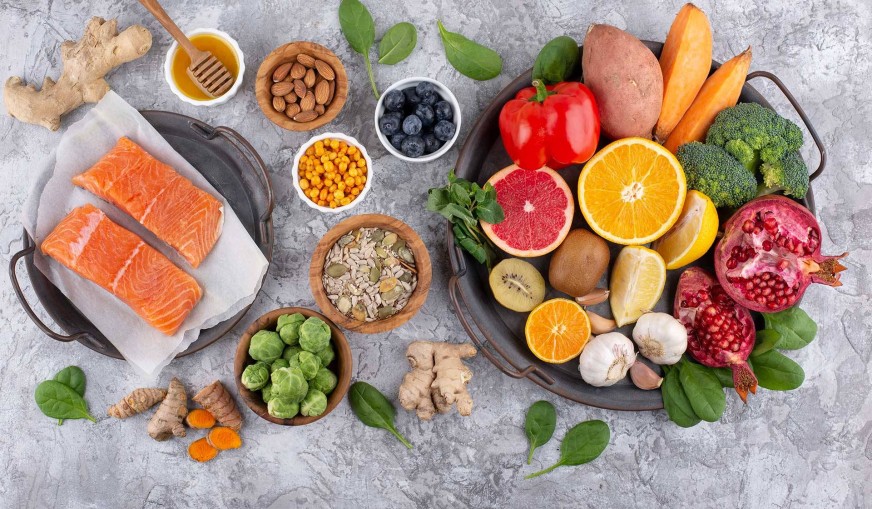
In short: There is no single “Hashimoto diet”. The aim is an eating pattern that supports the medical care your doctor recommends: rich in vegetables, fruit, protein and healthy fats, and low in processed foods. If coeliac disease is found, a gluten-free diet is needed. Supplements such as selenium and vitamin D should only be used on your doctor's advice and according to your blood results.
Hashimoto's disease is an autoimmune disease of the thyroid gland and can affect the proper production of thyroid hormones. One way people approach managing this condition is through the Hashimoto diet. The Hashimoto diet is a specific eating plan designed to support thyroid health and help ease symptoms. The diet focuses in particular on balancing iodine intake, reducing inflammation and supporting thyroid function.
What Is Hashimoto's Disease?
Hashimoto's hypothyroidism is an autoimmune disease in which lymphocytes, white blood cells that are part of your immune system, gradually destroy thyroid tissue.
The thyroid is a butterfly-shaped endocrine gland at the base of your neck. It releases hormones that affect almost every organ system, including your heart, lungs, skeleton, and digestive and central nervous systems. It also controls metabolism and growth. Damage to this gland leads to too little thyroid hormone being produced.
The main hormones released by the thyroid are thyroxine (T4) and triiodothyronine (T3).
How Do Diet and Lifestyle Affect Hashimoto's?
Diet and lifestyle play a vital role in managing Hashimoto's, because many people find that their symptoms continue even on medication. In addition, many people with symptoms are not given medication unless there is a change in their hormone levels.
Research also suggests that inflammation may be a driving factor behind many of the different Hashimoto's symptoms, and inflammation is often linked with diet.
People with Hashimoto's disease have a higher risk of developing other autoimmune conditions, high cholesterol, obesity and diabetes, so diet and lifestyle changes are also key to reducing your risk of other conditions.
Research suggests that cutting out certain foods, taking supplements and making lifestyle changes may improve symptoms and quality of life for some people.
Evidence-Based Diet Tips
Here are some evidence-based diet tips that may support the care your doctor provides for Hashimoto's disease:
Gluten-Free and Grain-Free Diets
Many studies show that people with Hashimoto's are more likely to have coeliac disease than the general population. For this reason, experts recommend that everyone diagnosed with Hashimoto's is screened for coeliac disease.
In a 6-month study of 34 women with Hashimoto's disease, a gluten-free diet improved thyroid function and vitamin D levels while lowering thyroid antibody levels, compared with a control group.
Many other studies report that people with Hashimoto's disease, or with autoimmune diseases in general, may benefit from a gluten-free diet even if they do not have coeliac disease.
The Autoimmune Protocol Diet
The Autoimmune Protocol (AIP) Diet is designed for people with autoimmune diseases. It removes potentially harmful foods such as grains, dairy, nightshades, added sugar, coffee, pulses, eggs, alcohol, nuts, seeds, refined sugars, oils and food additives.
In a 10-week study of 16 women with Hashimoto's disease, the AIP Diet was found to lead to significant improvements in quality-of-life scores and to significantly reduce levels of the inflammatory marker C-reactive protein (CRP). However, although these results are promising, larger and longer studies are needed.
Consider Avoiding Dairy
Lactose intolerance is very common in people with Hashimoto's disease.
If you suspect lactose intolerance, cutting out dairy products may help with digestive problems as well as with thyroid function and medication absorption.
Focus on Anti-Inflammatory Foods
Inflammation may be a driving force behind Hashimoto's disease. For this reason, an anti-inflammatory diet that is rich in fruit and vegetables may improve symptoms for some people.
A study of 218 women with Hashimoto's disease concluded that those who ate fruit and vegetables more often had lower markers of oxidative stress (a condition that causes chronic inflammation).
Nutrient-Dense, Whole-Food Diets
A diet that is low in added sugar and highly processed foods but rich in whole, nutrient-dense foods may help you improve your health, manage your weight and ease Hashimoto's-related symptoms. For this reason, prepare your meals at home where possible, using nourishing foods such as vegetables, fruit, protein, healthy fats and fibre-rich carbohydrates.
Other Diet Tips
Some research suggests that certain low-carbohydrate diets may help reduce body weight and thyroid antibodies in people with Hashimoto's disease. These specific diets provide 12–15% of daily calories from carbohydrates and restrict goitrogenic foods. Goitrogens are substances found in cruciferous vegetables and soy products that can interfere with thyroid hormone production. Do not start a restrictive diet without talking to your doctor and dietitian.
Supplements Studied in Hashimoto's Disease
The supplements below have been studied in research. Supplements should be used according to your blood results and your doctor's advice; taking more selenium or iron than you need in particular can be harmful.
- Selenium: research suggests that selenium supplementation may help lower anti-thyroid peroxidase (TPO) antibodies and improve wellbeing in people with Hashimoto's disease. Your doctor will decide whether it is suitable for you and at what amount.
- Zinc: zinc is needed for thyroid function.
- Curcumin: animal and human studies have suggested that this powerful anti-inflammatory and antioxidant compound may protect the thyroid.
- Vitamin D: people with Hashimoto's disease have been shown to have significantly lower levels of this vitamin than the general population. Research also links low vitamin D levels with the severity of Hashimoto's disease.
- B-complex vitamins: people with Hashimoto's disease likewise tend to be low in vitamin B12. If a deficiency is found, a B12 or B-complex supplement recommended by your doctor may help raise levels.
- Magnesium: low levels of this mineral are linked with an increased risk of Hashimoto's disease and higher thyroid antibodies. Correcting a magnesium deficiency may also ease symptoms in people with thyroid disease.
- Iron: people with Hashimoto's disease are more likely to develop anaemia. Iron supplements may be needed to correct a deficiency.
This article is for general information only; please consult your doctor and dietitian about your own situation.
Book an appointment for a personalised nutrition plan
The information in this article is general; what you need depends on your age, health and goals. Message us and we will build the plan that suits you together.

This content is for information only. For a personalised nutrition programme, please consult a dietitian.


