

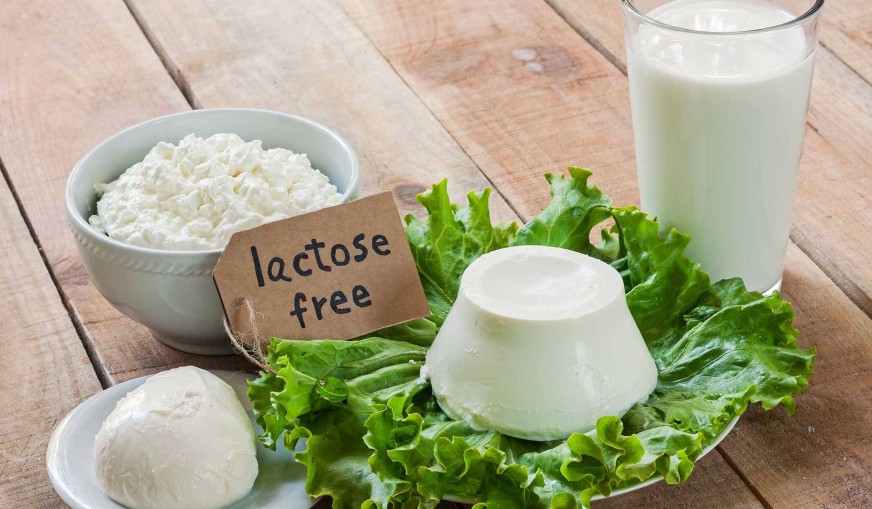
Gluten-free and lactose-free products have been growing in popularity in recent years. As well as for people with health problems such as gluten intolerance or coeliac disease, these products matter a great deal for people who are sensitive to lactose-containing products, such as those with lactose intolerance or milk allergy.
Gluten-Free Products
Gluten is a protein found in wheat, barley and rye. In people with coeliac disease or gluten sensitivity, eating gluten can cause immune system reactions and can damage the digestive system. For this reason these people may need to turn to gluten-free products.
A gluten-free diet restricts grains that contain gluten (wheat, barley and rye) as well as products made from these grains (such as bread, pasta and cake).
Gluten-free alternatives include grains that do not contain gluten, such as quinoa, rice, maize and amaranth.
Lactose-Free Products
Lactose is a sugar found in milk and dairy products. In people with intolerance, lactose cannot be digested, which can cause digestive problems in the gut. Some people may also have a milk allergy. In this case, people may need to avoid milk and dairy products.
Lactose-free products are formulated to meet the needs of people with lactose intolerance or milk allergy. Lactose-free milk, yoghurt, cheese and other dairy products contain no lactose or are treated with enzymes that make lactose easier to digest. These products are a good solution for people who do not want to go without dairy products but who have lactose intolerance. Note that lactose-free products are not suitable for people with a milk allergy, who need to ask their doctor.
Why Is Demand for Gluten-Free and Lactose-Free Products Rising?
Demand for gluten-free and lactose-free products is growing because of a combination of several factors. In general, they are:
- Health awareness: today people take more interest in healthy eating and in learning how to look after their bodies. People with health problems such as gluten intolerance, coeliac disease, lactose intolerance or milk allergy raise demand for these products as they look for suitable alternatives.
- Diet trends: gluten-free and lactose-free diets have become one of the popular diet trends. Some people choose these diets for weight management or general health. Others turn to gluten-free and lactose-free products to ease digestive problems or to make healthy lifestyle choices.
- Variety and taste: the developing food industry has increased the variety and taste of gluten-free and lactose-free products. There is now a wide range of gluten-free and lactose-free products to choose from.
Healthy Gluten-Free and Lactose-Free Alternatives
There are healthy alternatives for people who follow a gluten-free and lactose-free diet. For example, for a gluten-free diet, products such as gluten-free bread and pasta can be chosen as well as wholegrains such as quinoa, rice and maize. For a lactose-free diet, alternatives such as almond milk, coconut yoghurt and lactose-free cheese can be used.
It is also a healthy choice to choose foods that are naturally gluten-free and lactose-free. For example, fruit, vegetables, meat, fish, pulses, nuts and seeds are gluten-free and lactose-free foods. They also form the basis of a healthy diet.
What to Watch When Choosing Products
There are some points to watch when choosing gluten-free and lactose-free products. First of all, it is important to read the labels on packaged gluten-free and lactose-free products carefully. Some products claim to be gluten-free or lactose-free but may carry a risk of contamination during production. It is therefore important to choose reliable brands. Even if products are gluten-free or lactose-free, this does not mean they are healthy, because they can contain unhealthy ingredients such as sugar. It is therefore extremely important to be aware and to read labels.
Grains
- Quinoa
- Rice
- Maize
- Amaranth
- Buckwheat
Flours
- Rice flour
- Almond flour
- Coconut flour
- Pea flour
- Quinoa flour
- Buckwheat flour
Gluten-Free Snacks
- Gluten-free granola
- Corn chips
- Gluten-free crackers
- Nuts such as almonds, walnuts or hazelnuts
- Gluten-free energy bars
Lactose-Free Alternatives
- Almond milk
- Coconut yoghurt
- Soy cheese
This article is for general information only; please consult your doctor and dietitian about your own situation.
Book an appointment for a personalised nutrition plan
The information in this article is general; what you need depends on your age, health and goals. Message us and we will build the plan that suits you together.

This content is for information only. For a personalised nutrition programme, please consult a dietitian.


