

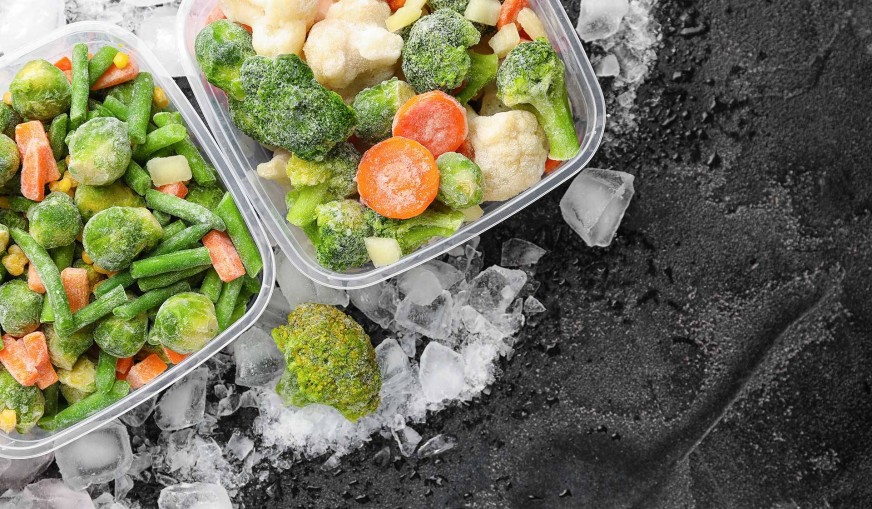
Everyone knows the health benefits of fresh fruit and vegetables. In today's busy lifestyle, however, it is not always easy to have fresh produce to hand. This is where frozen fruit and vegetables come in as a practical and nourishing alternative. There are some prejudices and misunderstandings about the nutritional value of frozen foods, but with the right information we can see how useful these products can be.
The Nutritional Value of Frozen Fruit and Vegetables
In general, their nutritional value looks like this:
- Freshness and nutrient content: Frozen fruit and vegetables are usually frozen soon after harvest, when they are at their freshest and most nutritious. This helps preserve nutrients, vitamins and minerals to a large extent. Much fresh produce makes a long journey before it reaches the supermarket shelf, and some nutrients can be lost along the way. Frozen foods keep these losses to a minimum.
- Vitamins and minerals: It is true that some vitamins (especially vitamin C) can be partly lost during freezing, but these losses are usually small. For example, frozen vegetables such as broccoli and spinach are rich in vitamin C and folate, which are largely preserved during freezing. Frozen fruits (strawberries, blackberries, blueberries) are also rich in antioxidants, and these are largely retained during freezing too.
- Fibre content: The fibre content of fruit and vegetables does not change during freezing. Fibre is very important for digestive health, and frozen foods contain as much of it as fresh ones. For example, vegetables such as frozen peas and sweetcorn are known for their high fibre content, and they keep this quality when frozen.
The Benefits of Frozen Vegetables and Fruit
Frozen fruit and vegetables have several benefits. Some of them are as follows:
- They are practical and easy to use: Frozen vegetables and fruit make life in the kitchen much easier. They allow quick, practical meal preparation, especially for people short of time. Frozen products often come pre-washed and chopped, which shortens preparation time. Because they keep for a long time, they also reduce food waste.
- They can be eaten regardless of the season: Fresh fruit and vegetables vary with the seasons, and not everything is available all year round. With frozen products, you can enjoy your favourite fruit and vegetables at any time of year. This increases dietary variety and helps you keep a balanced diet throughout the year.
- They can be economical: Frozen vegetables and fruit are often cheaper than fresh ones. Produce frozen in the harvest season can be sold at better prices because of high production volumes and lower demand. As they are also less likely to spoil, they can help you stick to your food budget.
What to Look Out For When Using Frozen Fruit and Vegetables
There are a few things to keep in mind when eating frozen fruit and vegetables. They are as follows:
- Proper storage: To preserve the nutritional value of frozen fruit and vegetables, it is important to store them correctly. Put them in the freezer as soon as you buy them and keep them in their packaging until you use them. Using airtight containers will protect the products from freezer burn.
- Proper cooking: When cooking frozen vegetables, steaming or microwaving can help preserve their nutritional value, as these methods keep vitamin and mineral losses to a minimum. You can also use frozen fruit in recipes such as smoothies, yoghurt and desserts for tasty and nourishing snacks.
- Reading the ingredients label: When buying frozen vegetables and fruit, read the ingredients label carefully. Some frozen products may contain added salt, sugar or preservatives. Where possible, choose natural frozen fruit and vegetables with no additives.
Frozen fruit and vegetables are a practical alternative for anyone who wants to keep up with the pace of modern life. Nutritious, economical and convenient, they can help you eat well all year round, whatever the season. With the right storage and cooking methods, you can make the most of the benefits of frozen fruit and vegetables.
Remember to include frozen fruit and vegetables in your diet as you work towards healthy, balanced eating!
This article is for general information only; please consult your doctor and dietitian about your own situation.
Book an appointment for a personalised nutrition plan
The information in this article is general; what you need depends on your age, health and goals. Message us and we will build the plan that suits you together.

This content is for information only. For a personalised nutrition programme, please consult a dietitian.


