

Anaemia is a condition in which the body does not have enough healthy red blood cells. Red blood cells are needed to carry oxygen around the body, and the haemoglobin they contain plays a key role in this process. Anaemia can have many different causes, but eating certain foods can help the body make red blood cells. There are several foods you can include in your diet if you have anaemia.
What Are the Symptoms of Anaemia?
Symptoms of anaemia may include:
- Feeling tired and weak
- Pale skin and mucous membranes
- Shortness of breath or rapid breathing
- Dizziness or headaches
- A racing heartbeat or palpitations
- Cold hands and feet
- Getting out of breath or tired very easily
- Loss of appetite or weight loss
- Itchy or sensitive skin
- Irregular or painful periods
Which Foods Are Helpful for Anaemia?
The foods below may help ease symptoms and support the production of red blood cells. However, if you have symptoms of anaemia, it is important to speak to a doctor and have the necessary tests. Your doctor can decide on the most suitable plan for you and give you personal nutrition advice.
Foods you can include if you have anaemia:
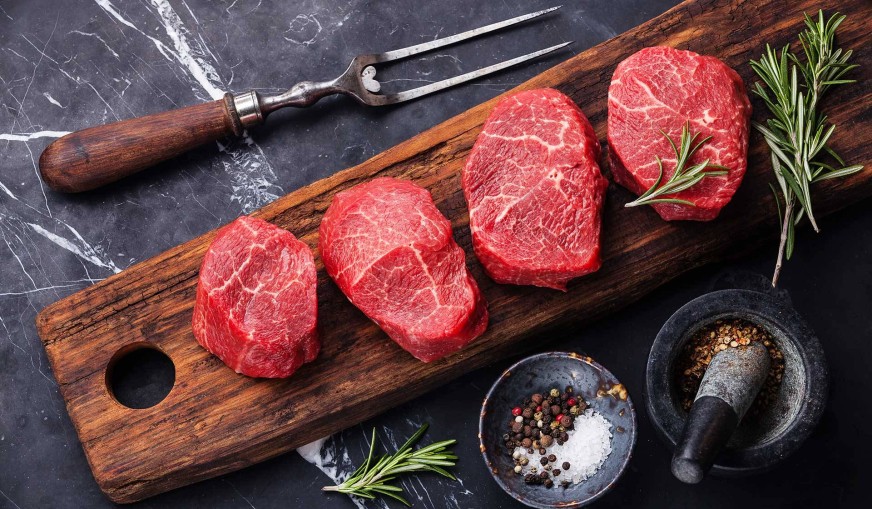
Red Meat
Red meat is one of the richest food sources of iron. It contains haem iron, which the body absorbs easily and which plays an important role in making red blood cells. However, eating too much red meat can be unhealthy, so it is best eaten in moderation.
Eggs
Eggs are a good source of protein for people with anaemia. They also contain vitamin B12 and folate (folic acid), which are important for making red blood cells.
Leafy Green Vegetables
Vegetables such as spinach, kale, rocket and chard are rich in folate, iron and vitamin C. The vitamin C in leafy greens also helps the body absorb iron.
Pulses
Pulses are also among the useful foods to include if you have anaemia. Chickpeas, beans, lentils and kidney beans are rich in protein and iron. They are also rich in folate, which plays an important role in making red blood cells.
Red lentils in particular are a good plant-based source of iron. Eating pulses such as beans and chickpeas regularly can also be a helpful part of a balanced diet for people with anaemia.
Nuts
Almonds, walnuts and hazelnuts are a good source of protein, iron and, in some cases, B vitamins. They also contain vitamin E. Because eating a lot of nuts can raise your calorie intake, it is important to enjoy them in moderation.
Black Cabbage (Cavolo Nero)
Black cabbage (karalahana in Turkish) is one of the vegetables worth including if you have anaemia. It contains iron, and it is also rich in vitamin C, folate and other vitamins. Dishes made with black cabbage can be tasty options as part of a balanced diet.
Tips on Foods for Anaemia
Here are some tips on foods to include if you have anaemia:
- Alongside iron-rich foods, it helps to eat foods that contain vitamin C. Vitamin C increases iron absorption, so fruits rich in vitamin C, such as oranges, mandarins, grapefruit and kiwi, are a good addition.
- Using spices in your cooking, such as turmeric, coriander, cumin and cardamom, adds flavour to your meals and can be part of a varied, balanced diet.
- Iron supplements should only be taken under a doctor's supervision and on their advice. Taking too much iron can cause health problems.
This article is for general information only; please consult your doctor and dietitian about your own situation.
Book an appointment for a personalised nutrition plan
The information in this article is general; what you need depends on your age, health and goals. Message us and we will build the plan that suits you together.

This content is for information only. For a personalised nutrition programme, please consult a dietitian.


