

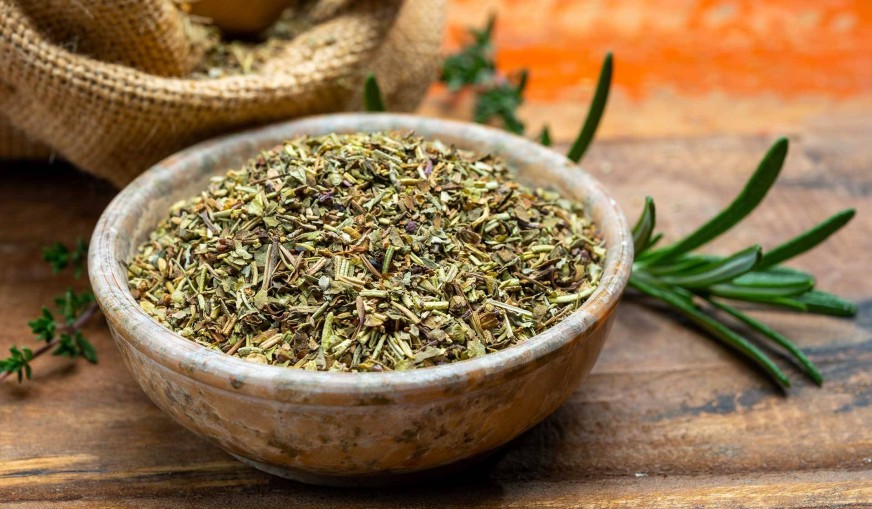
Spices are an indispensable part of our kitchens, because dried spices add flavour, aroma and colour to our dishes. To keep them fresh and usable for a long time, however, they need to be stored properly. Extending the shelf life of your spices lets you enjoy their full flavour and nutritional value. So how can we make spices last longer?
How Should Dried Spices Be Stored?
Here are our storage tips for extending the shelf life of spices:
Choose a Cool, Dry Place
To last well, spices need to be stored somewhere cool and dry. Moisture, heat and light all reduce the quality of spices. For this reason it is better to keep them in a closed cupboard than to leave them out on the worktop.
- A cool place: Keep your spices away from sources of heat such as the hob, oven or radiator. The ideal storage temperature is room temperature, around 20-25°C.
- A dry place: Moisture makes spices go mouldy and lose their flavour, so it is important to keep spice jars in a dry cupboard.
Use Airtight Containers
Airtight containers are very effective for keeping spices fresh. They cut off contact with moisture and air, which lowers the risk of dried spices going stale or mouldy.
- Glass jars: Glass jars are an excellent choice for storing spices. Their tight-fitting lids stop air getting in, so the spices stay fresh.
- Metal tins: Metal tins can also be suitable for spices, but make sure the tin closes airtight.
- Plastic containers: Good-quality plastic containers can be used too. Some plastics can absorb odours, so choose good-quality, BPA-free containers.
Protect from Light and Heat
Light, especially direct sunlight, can cause spices to lose their colour and aroma. Heat affects the quality of spices in the same way.
- Dark containers: If you use glass jars, choose opaque or dark-coloured ones. This stops light reaching the spices.
- Keep them in a cupboard: The best place for spices is a closed cupboard that gets no light. This minimises the effects of both heat and light.
Techniques for Storing Spices Properly
Dried spices can last a long time when stored with the right techniques. These are as follows:
- Proper packaging: Rather than keeping spices in their original packaging, it is better to transfer them to airtight containers. Original packaging often lets air in and can make spices go stale quickly.
- Use a dry spoon: Always use a dry spoon when taking spices. A wet spoon can make spices damp and mouldy.
- Avoid buying in bulk: To keep spices fresh, it is better to buy only what you need. Large quantities can go stale and lose their flavour.
Tips for Making Spices Last Longer
Dried spices are quite durable when stored in the right conditions. If you want to make them last even longer, here is what you can do:
- Use a moisture absorber: Putting a few moisture-absorbing packets (such as silica gel sachets) in your spice jars can absorb moisture and help the spices stay fresh.
- Try freezing: Some spices stay fresh for longer when frozen. Dried herbs and green spices in particular can be stored this way.
- Do a freshness check: It is worth checking your spices from time to time to see whether they have lost their freshness. Spices whose smell and taste have faded may have lost their freshness.
Preserving the flavour and nutritional value of your spices will improve the quality of your cooking. With these simple but effective methods, you can keep the spices in your kitchen fresh and flavoursome.
Book an appointment for a personalised nutrition plan
The information in this article is general; what you need depends on your age, health and goals. Message us and we will build the plan that suits you together.

This content is for information only. For a personalised nutrition programme, please consult a dietitian.


