

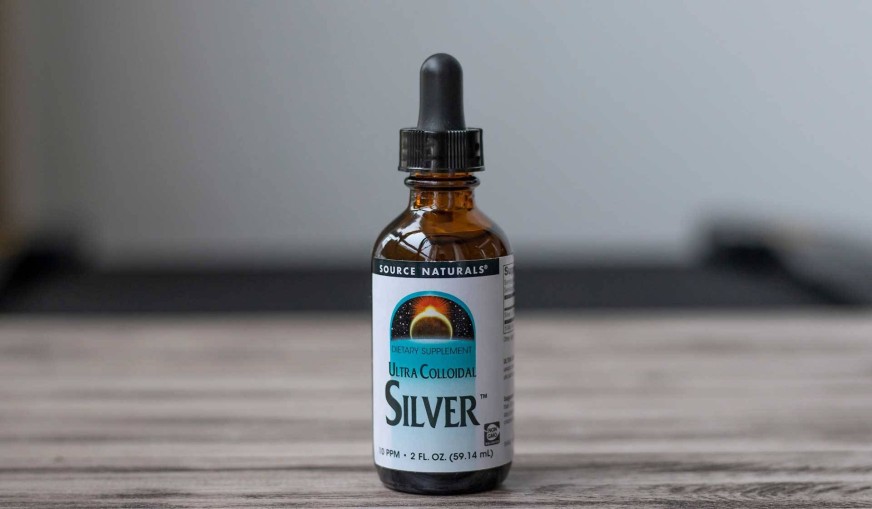
Colloidal silver is a solution in which microscopic silver particles are dispersed in a liquid. It is used in medical and alternative medicine practices because of the antibacterial, antiviral and antifungal properties attributed to silver. However, there is some important information and there are potential risks to know about colloidal silver.
What Is Colloidal Silver and Why Is It Used?
Colloidal silver is a type of solution or suspension in which microscopic silver particles are suspended in a liquid. This specially prepared liquid contains the insoluble form of silver. It allows the silver particles to be dispersed in water or another liquid, which means the silver is broken down into very small particles within the liquid.
The use of colloidal silver is widespread, especially because of its antibacterial and antiviral properties. People use this silver solution by mouth, on the skin, in the eyes or for other medical purposes. It can also be used in water purification systems and for surface disinfection.
Because of its antibacterial properties, colloidal silver is believed to help fight bacteria and germs. However, there are some controversial views about the use and effects of colloidal silver. There are also concerns that excessive use can lead to a grey-blue discolouration of the skin (argyria) and cause long-term health problems.
It is important to talk to a healthcare professional before using colloidal silver for medical or health purposes. You should also make sure the product is of good quality and comes from a reliable source.
How Does Colloidal Silver Work?
Colloidal silver is said to have broad antibacterial and antiseptic effects when taken by mouth or placed on a wound. However, exactly how it works is not known. Research suggests that it binds to proteins in the cell walls of bacteria and damages their cell membranes.
The effects of colloidal silver are thought to vary depending on the size and shape of the silver particles and on their concentration in the solution. A large number of small particles has a greater surface area than a smaller number of large particles. As a result, a solution containing more silver nanoparticles with a smaller particle size can release more silver ions. Silver ions are released from silver particles when they come into contact with moisture, such as body fluids.
What Is Said About Colloidal Silver?
Claims made about colloidal silver include:
- Antibacterial: before the discovery of antibiotics, colloidal silver was a popular antibacterial treatment. Test-tube studies have shown that colloidal silver can kill a wide variety of bacteria. This has led to its use in some health products such as wound creams, wound dressings and medical equipment. However, because of the risks linked with swallowing colloidal silver, its effects as an antibacterial treatment taken this way have not been tested in humans.
- Antiviral: supporters of colloidal silver also claim that it may have antiviral effects in your body. Some research suggests that different types of silver nanoparticles might help kill viral compounds.
- Antifungal: colloidal silver is also said to be able to treat fungal infections. A test-tube study showed that colloidal silver may stop the growth of some types of fungus. However, many things can kill fungi in a laboratory, so this does not mean that colloidal silver can treat fungal infections in people. At present there is very little evidence to support the claim that colloidal silver is a reliable topical antifungal agent.
Safety and Side Effects
Very small amounts of silver are found in drinking water, in food and even in the air you breathe, so everyone is exposed to extremely small amounts of silver from the environment every day. Silver found in the environment as a compound is thought to be fairly safe. However, the environmental and health risks of silver nanoparticles are not well understood, and swallowing colloidal silver is not safe.
The biggest risk associated with chronic exposure to colloidal silver is argyria. Argyria is a condition in which silver metal particles build up in the body and skin, turning the skin a blue-grey colour. Silver deposits can also form in the intestines, liver, kidneys and other organs.
If you take a dietary supplement that contains silver, or work in a job that exposes you to large amounts of silver, you are at risk of developing argyria. It is thought that you would have to swallow silver compounds for a long time to develop argyria, but the exact amounts and time frame that would put you at risk are not known.
The real risks of swallowing the nanoparticles that may be found in colloidal silver products are also unknown. However, these particles are thought to enter your cells more easily and possibly to cross the blood-brain barrier. For this reason they are considered a potential health risk.
Applying colloidal silver to your skin is considered less risky than swallowing it. However, if the solution contains very small nanoparticles, you may absorb them through your skin. Also, if you use it frequently on an open wound, you may develop localised argyria because of silver building up in the surrounding tissue. Although rare, there is also a risk of silver allergy.
Should You Try It?
Colloidal silver products can vary greatly in their composition, so their effects can also vary greatly. In addition, silver has no function in your body and no known benefit when taken by mouth. Given the risks and the lack of proven benefits, using colloidal silver products is probably not a good idea.
This article is for general information only; please consult your doctor and dietitian about your own situation.
Book an appointment for a personalised nutrition plan
The information in this article is general; what you need depends on your age, health and goals. Message us and we will build the plan that suits you together.

This content is for information only. For a personalised nutrition programme, please consult a dietitian.


