

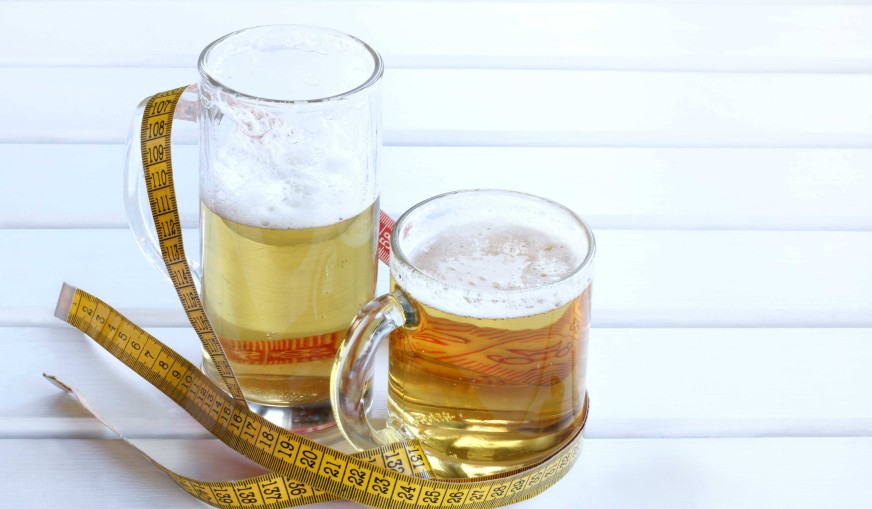
Alcohol is a drink that is widely consumed in society and plays an important role in social interaction. However, drinking alcohol has various effects on health and nutrition. Knowing about the effects of alcohol on nutritional balance therefore helps people make more informed choices about it.
The Calorie Content of Alcohol
Alcohol is high in calories. The calorie content of alcoholic drinks can rise further because of the added sweeteners in sugary cocktails and liqueurs in particular. This means that drinking alcohol can affect weight gain or weight management. Excessive alcohol intake can therefore mean taking in extra calories and can raise the risk of obesity.
The Effect of Alcohol on Nutrient Absorption
One of the effects of alcohol on nutritional balance is its effect on the absorption of some nutrients in the body. The absorption of B vitamins, minerals and fats in particular can fall with alcohol intake. This can lead to nutrient deficiencies in people who drink alcohol regularly. It is therefore important to follow a balanced eating plan if you drink alcohol.
The Effects of Alcohol on Metabolism
When alcohol enters the body the liver metabolises it. Alcohol metabolism can affect the liver's other metabolic functions. Regular excessive drinking in particular can lead to fat build-up in the liver and to liver disease. For this reason alcohol intake should be limited, and eating habits that support healthy liver function should be adopted.
The Effect of Alcohol on Blood Sugar
One of the effects of alcohol on nutritional balance is that it can increase the tendency to overeat, because alcohol can affect blood sugar. Drops in blood sugar can be seen after drinking alcohol in particular. This matters for people with diabetes, because alcohol can make it harder to control blood sugar. The fall in blood sugar after drinking alcohol can also increase hunger and so the tendency to overeat.
Suggestions for More Mindful Drinking
Considering the effects of alcohol on nutritional balance, mindful drinking is extremely important for protecting health. In general, what to watch with alcohol is:
- Limit the amount: experts generally recommend a daily limit of one standard drink for women and two standard drinks for men. Take care not to go over this amount.
- Eat in a balanced way: take care to follow a balanced eating plan if you drink alcohol. Add foods rich in fibre, vitamins, minerals and protein to your meals. Eating healthy snacks before and after drinking alcohol can help keep your blood sugar steadier.
- Drink enough water: take care to drink enough water during and after drinking alcohol. Remember that alcohol can cause dehydration and upset the body's water balance. Drinking water can reduce possible headaches and stomach upset.
- Drink slowly: drinking alcohol slowly can help the body metabolise it more effectively and reduce its negative effects.
- Choose carefully: choosing drinks that are lower in calories and contain less sugar can reduce the number of calories you take in. You can choose lower-calorie options rather than sugary cocktails or liqueurs.
- Balance with the other sources in your diet: alcohol should be balanced with the other food sources in your diet. You should avoid fatty, heavy foods when drinking alcohol in particular. It is important to build a balanced meal plan and to fit alcohol into it.
- Get social support: it is important to get social support to build healthy habits around alcohol. Acting in a mindful and responsible way with alcohol also supports healthier choices.
These suggestions are important steps for more mindful drinking. Because each person's health and alcohol-related risks are different, however, it is important to take your doctor's advice into account. If you have any problem or concern with drinking alcohol, it is important to speak to a healthcare professional.
This article is for general information only; please consult your doctor and dietitian about your own situation.
Book an appointment for a personalised nutrition plan
The information in this article is general; what you need depends on your age, health and goals. Message us and we will build the plan that suits you together.

This content is for information only. For a personalised nutrition programme, please consult a dietitian.


