

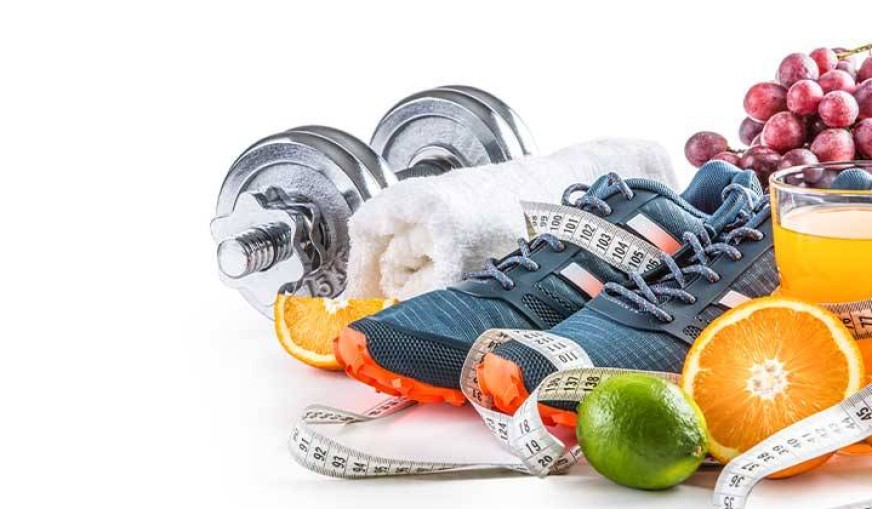
Sound nutrition is very important for supporting exercise, muscle development and recovery. It helps to prepare the body for training beforehand, and afterwards to eat foods that support muscle repair and refill energy stores. Here is what you need to know about eating before and after exercise. These are general tips, so ask your dietitian what suits you:
Eating Before Exercise
Eating the right foods before exercise can support your energy. Here are the points to bear in mind:
1. Balancing Carbohydrate and Protein
Before exercise it helps to eat a meal that contains both carbohydrate and protein. Carbohydrates provide energy, while protein supports the muscles.
- Complex carbohydrates: Oats, wholegrain bread, brown rice
- Protein sources: Eggs, yoghurt, turkey or chicken
2. Timing of Your Pre-Exercise Meal
As a general guide, a full meal 2 to 3 hours before exercise works well for many people. If you would like a light snack 30 to 60 minutes before exercise, you could choose:
- Banana and peanut butter
- Yoghurt and fruit
- A protein shake
3. Drinking Water
Hydration is very important for exercise. As a general guide, many people drink around 500 ml of water before exercise.
Eating After Exercise
Eating after exercise supports muscle recovery and helps you get the most from your training.
1. Protein Intake
For muscle repair after exercise, a portion of protein is useful. A commonly suggested guide is around 20 to 30 grams, though needs differ from person to person.
- Chicken, fish, eggs
- Cheese, yoghurt
- Protein powder (whey or plant-based)
2. Carbohydrates to Refill Glycogen Stores
Glycogen stores are used up during exercise, so eating carbohydrates afterwards supports recovery.
- Sweet potato
- Porridge oats
- Brown rice
3. Fats to Support Recovery
Although it is not advisable to eat a lot of fat straight after exercise, healthy fats can support recovery as part of the day's meals.
- Avocado
- Olive oil
- Almonds, walnuts
The Importance of Hydration
To replace the fluid lost during exercise, it helps to drink water afterwards; around 1 to 1.5 litres is a commonly given guide, depending on how much you have sweated. After long training sessions, an electrolyte drink can also be useful.
Sample Plan for Before and After Exercise
| Time | Suggested foods |
| Before exercise (2-3 hours before) | Chicken, brown rice, vegetables |
| Before exercise (30-60 minutes before) | Banana and yoghurt |
| After exercise (within 30-60 minutes) | Whey protein, oats, banana |
| Main meal after exercise | Salmon, sweet potato, avocado |
Eating before and after exercise matters for supporting your training and muscle development. With a sensible balance of carbohydrate, protein and fat, you can fuel your body well. Do not forget to drink enough water as well. Results vary from person to person.
This article is for general information only; please consult your doctor and dietitian about your own situation.
Book an appointment for a personalised nutrition plan
The information in this article is general; what you need depends on your age, health and goals. Message us and we will build the plan that suits you together.

This content is for information only. For a personalised nutrition programme, please consult a dietitian.


