


What Is the Dukan Diet?
The Dukan diet is a diet published in 2000 by the French general practitioner and nutritionist Pierre Dukan. It is divided into 4 phases and is low in carbohydrate and high in protein. It is a restrictive diet, so please speak to your doctor and dietitian before trying it.
What Are the Phases of the Dukan Diet?
In the Attack phase, the diet starts with unlimited low-fat protein sources and 1 heaped tablespoon of oat bran a day. Low-fat, lean meats are chosen. Since there is no limit on quantity, it is determined by hunger. It lasts about 1-7 days.
In the Cruise phase, only lean meat is eaten on one day, and on the second day non-starchy vegetables are eaten with lean meat. The diet continues in this way, alternating. We can say it is a move to a protein-and-vegetable diet. 2 tablespoons of oat bran are added each day and at least 1.5 litres of water is drunk. This phase can last from 1 month to 1 year.
In the Consolidation phase, unlimited lean protein sources and vegetables are eaten. Carbohydrate and fat intake is low. One day a week, only lean protein sources are eaten. 2 heaped tablespoons of oat bran are added each day. This phase is also called the strengthening phase. For every kilo lost in the Attack and Cruise phases, 10 days of the Consolidation phase are applied. For example, if 5 kilos were lost, a 50-day Consolidation phase is applied; if 10 kilos were lost, a 100-day Consolidation phase is applied.
In the Stabilisation phase, the general rules are based on the Consolidation phase. As long as weight stays stable, the rules can be relaxed over time. One day a week follows the Attack phase. 3 tablespoons of oat bran are taken each day. This phase continues for life.
Which Foods Should and Should Not Be Used in the Phases of the Dukan Diet?
In the Dukan diet, each phase has its own eating pattern. Certain foods are allowed while others are forbidden.
In the Attack phase,
- Lean beef
- Poultry
- Fish and seafood
- Eggs
- Fat-free dairy products (limited to 1 litre a day)
- Tofu
- 1 dessert spoon of olive oil
- Sweeteners can be used.
- If there is no cholesterol problem, offal can be eaten.
In the Cruise phase,
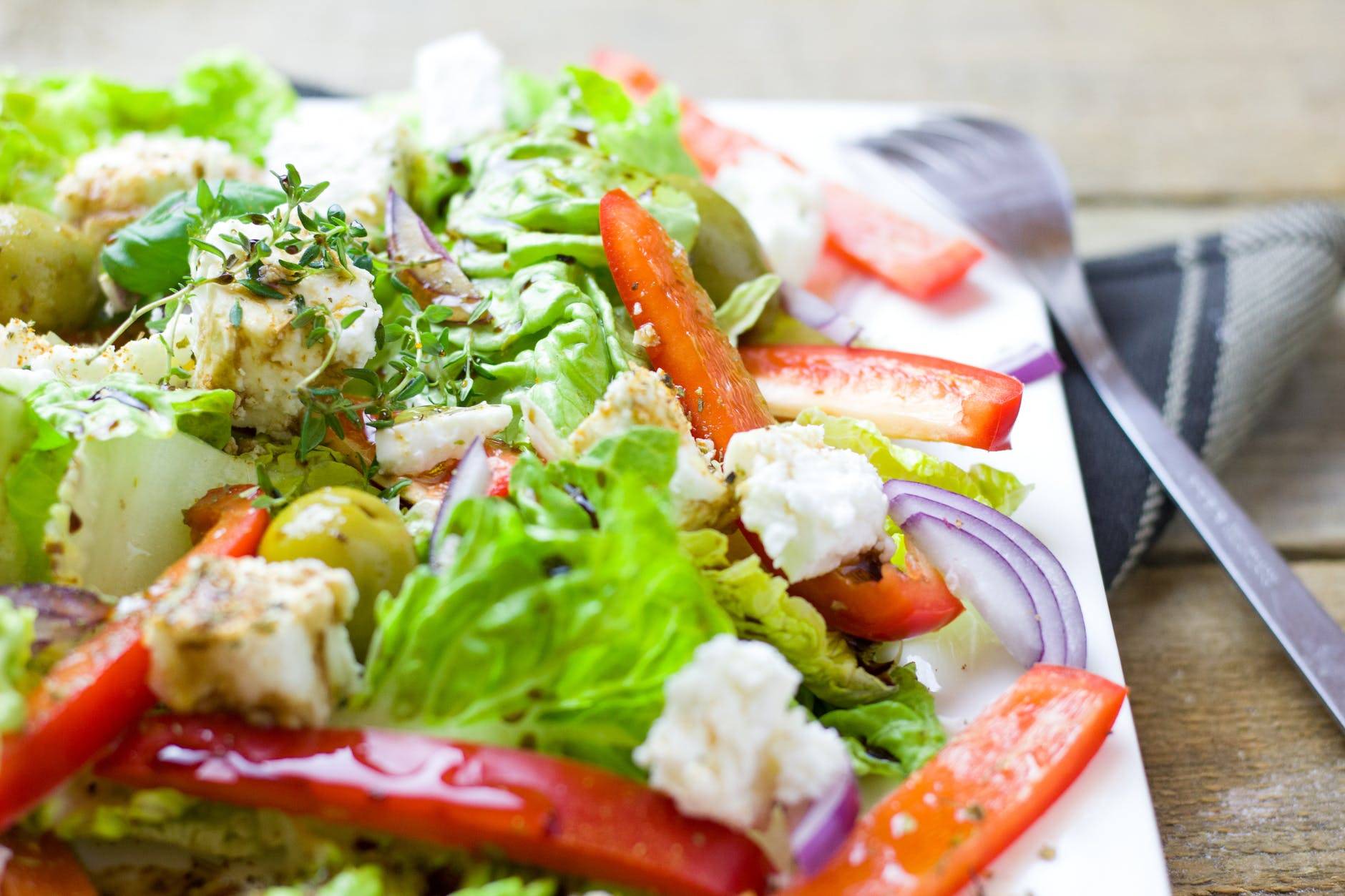 On day 1, the restrictions of the Attack phase apply. On day 2, vegetables are added, and the phase continues in this alternating way.
Allowed vegetables,
- Spinach
- Parsley
- Lettuce
- Cauliflower
- Broccoli
- Cabbage and Brussels sprouts
- Stuffing peppers
- Asparagus
- Cucumber
- Aubergine
- Mushrooms
- Celery
- Onion
- Green beans
- Turnip
- 2 tablespoons of oat bran a day
Starchy vegetables and fruit are forbidden. Apart from 1 dessert spoon of olive oil, no other fat is wanted.
 In the Consolidation phase,
The restrictions of the Attack phase apply on just 1 day a week. Apart from that, it is recommended to use the foods of the Cruise and Attack phases mixed together. The main focus of the diet will still be lean meat. But the following foods start to be added to the diet.
- 1 exchange of fruit a day, other than banana, cherries and grapes. For example, 1 small apple or 1 medium orange.
- 2 thin slices of wholemeal bread every day.
- 1 portion of white cheese (feta-style), about 40 g, every day.
- 1-2 portions a week of foods such as grains, pasta, corn, beans, pulses and potatoes.
- Twice a week, a celebration meal is allowed: a starter, a main course, a dessert and a glass of wine alongside, within the diet's rules.
- 2 heaped tablespoons of oat bran should be eaten each day.
In the Stabilisation phase,
This is the Dukan diet's last phase. Its aim is to balance the restrictions of the diet after the weight that has been lost and to maintain the result. In this phase no food is strictly forbidden, but certain protocols continue to be followed.
The diet is designed like the Consolidation phase. One day each week, only lean meat continues to be eaten. Movement is encouraged. Walking times are not reduced. 3 tablespoons of oat bran continue to be eaten each day.
This article is for general information only; please consult your doctor and dietitian about your own situation.
Book an appointment for a personalised nutrition plan
The information in this article is general; what you need depends on your age, health and goals. Message us and we will build the plan that suits you together.

This content is for information only. For a personalised nutrition programme, please consult a dietitian.


