

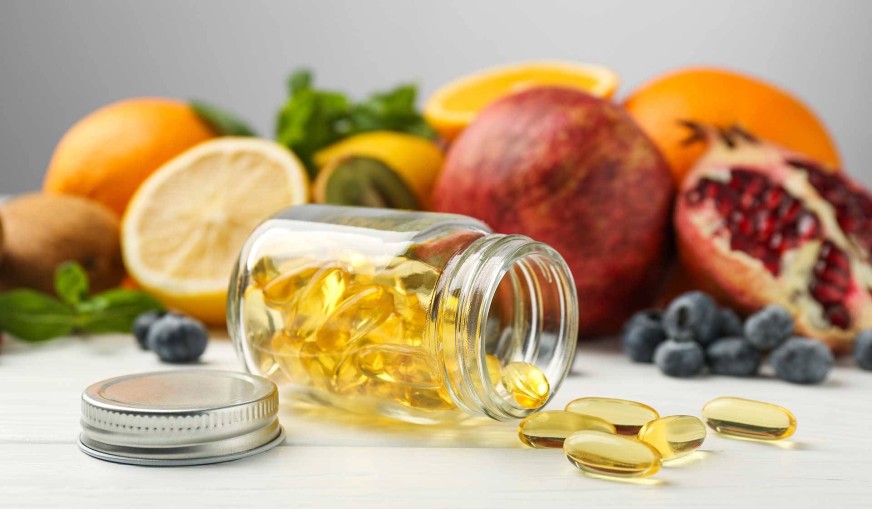
Food supplements have become very popular in recent years. Vitamins, minerals and herbal supplements are used by many people to support their health. But do we really need them? Or can we get all the nutrients we need from a balanced diet?
What Are Food Supplements?
Food supplements are products that provide vitamins, minerals and other nutrients the body needs. They usually come as tablets, capsules, powders or liquids. They are intended to make up for nutrients that are lacking in the diet.
Supplements containing nutrients such as vitamins (for example vitamin C and vitamin D), minerals (for example calcium and magnesium) and omega-3 fatty acids are widely available. Herbal supplements are also popular. Whether these products can fully replace nutrients obtained naturally from food is still debated.
When Are Food Supplements Needed?
Food supplements can be needed in some situations. For example, people with certain vitamin and mineral shortfalls may be advised by their doctor to make them up. Some special situations are as follows:
- Pregnancy: During pregnancy, some supplements such as folic acid, iron and vitamin D may be recommended. These nutrients matter for the mother's health and the baby's development. Please remember, though, that these supplements should only be taken under your doctor's supervision.
- Older age: As we age, the body's ability to absorb some vitamins and minerals can decrease. Low vitamin D and vitamin B12 in particular are often seen in older people. Supplements may be used to support this, but it should be followed with your doctor's advice.
- Vegetarians and vegans: Vegans and vegetarians who do not eat meat, fish and dairy products may not get enough of some nutrients from animal sources, such as vitamin B12. In this case your doctor or dietitian may suggest supplements. Iron and omega-3 fatty acids can also fall short in people who follow these ways of eating.
- Intense exercise: People who exercise intensely may need more vitamins and minerals than usual. Protein powders and electrolytes in particular are chosen by some athletes to support performance and recovery. Using such supplements without knowledge can be unwise, so please get advice first.
Are Supplements Needed by Everyone?
Many people use supplements without needing them. So do we really need them?
- A balanced diet: Most experts say that a balanced and varied diet can meet all the nutrients the body needs. When fresh vegetables, fruit, wholegrains, protein sources and healthy fats are eaten, extra supplements are generally not needed. Keeping up this way of eating may not be easy for everyone, however.
- Changes in the nutrient content of food: Today, farming methods and processed foods can lower the vitamin and mineral content of some foods. Even with a balanced diet there may therefore be a risk of not fully meeting the body's needs. Your doctor or dietitian can advise whether a supplement would be useful for you.
Using Food Supplements Properly
If you think you really do need food supplements, it is very important to use them properly.
- Get professional advice: Always consult a doctor before taking food supplements. A blood test to find out what your body may be lacking is a good first step. It is safer to act on the guidance of professionals than to decide on your own.
- Do not exceed the dose: If you use any food supplement, do not exceed the recommended dose. Each supplement is formulated for a certain daily amount, and taking too much can harm your body.
- Get nutrients from food: Supplements are not a substitute for food. As far as possible, try to get your vitamins and minerals from natural sources, such as oranges for vitamin C and sunlight for vitamin D.
Natural Nutrition Instead of Supplements
The best way to keep supplement use to a minimum is to build a balanced eating pattern. Some suggestions for healthy eating are as follows:
- Eat a variety of vegetables and fruit.
- Include wholegrains.
- Get enough protein.
- Choose sources of healthy fats (for example olive oil and avocado).
- Drink enough water.
This article is for general information only; please consult your doctor and dietitian about your own situation.
Book an appointment for a personalised nutrition plan
The information in this article is general; what you need depends on your age, health and goals. Message us and we will build the plan that suits you together.

This content is for information only. For a personalised nutrition programme, please consult a dietitian.


