

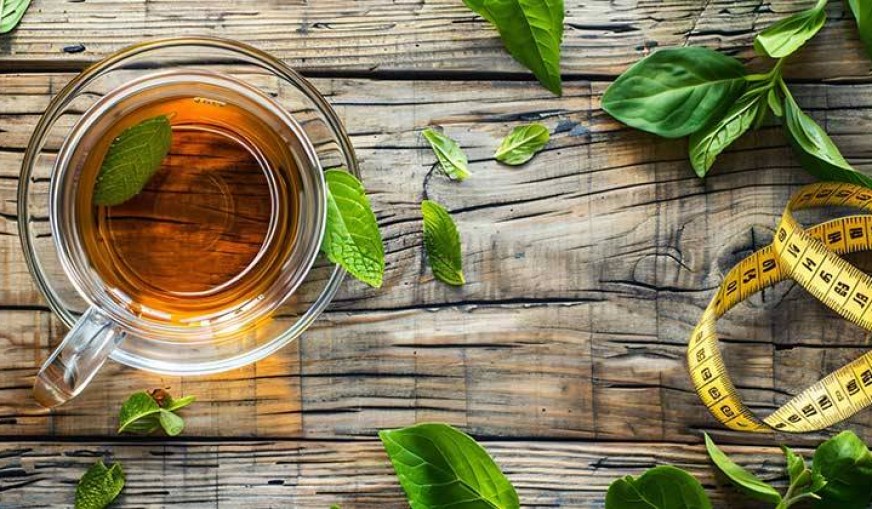
Slimming teas are very popular among people who want to lose weight. But do these teas really support weight management, or are they just a marketing strategy? Based on scientific research and expert views, we look at the effects of slimming teas in detail.
How Slimming Teas Are Said to Work
Slimming teas are generally marketed with claims about speeding up the metabolism, getting rid of water and controlling appetite. Depending on their ingredients, these teas may have different effects:
- Metabolism: Some teas, such as green tea, contain caffeine and catechins, which are being studied for their effect on energy use.
- Fluid: Some herbal teas have a diuretic (water-passing) effect and may help the body pass excess fluid.
- Appetite: Some herbal ingredients may add to the feeling of fullness.
- Digestive support: Some herbal teas that stimulate bowel movements may ease constipation.
Teas Most Often Discussed in Research
Some teas have been looked at in scientific studies for properties that may support weight management, although the evidence is limited and the effects are small:
- Green tea: Because of its catechins and caffeine, it is being studied for its effect on metabolism.
- Oolong tea: Studied in relation to metabolism and body composition.
- Mate tea: May give an energy lift because of its caffeine content.
- Ginger tea: Eases digestion and may help with appetite and blood sugar balance.
- Pu-erh tea: Studied in relation to fat absorption.
- Hibiscus tea: Has a diuretic effect, which may ease bloating, and is being studied in relation to blood sugar.
The Limits of Slimming Teas
Although these teas may play a small supporting part, they are not a miracle answer on their own. Here are the points to bear in mind:
- They are not enough on their own: Balanced nutrition and regular exercise are essential for weight management.
- Too much can cause side effects: Teas containing caffeine in particular can cause sleep problems and palpitations when drunk in excess.
- Gut balance: Constantly drinking cleansing-type teas can upset the gut.
- Do not confuse water loss with fat loss: Teas with a diuretic effect help the body pass water but do not cause fat loss.
How Should Slimming Teas Be Used?
To use these teas sensibly, bear in mind the following rules:
- Do not drink more than 2 to 3 cups a day.
- Drinking a lot on an empty stomach can cause stomach upset.
- They should go together with a balanced eating plan and exercise.
- Do not neglect your daily water, because drinking a lot of tea can increase the loss of electrolytes from the body.
Conclusion
Slimming teas may play a small supporting part when used alongside a healthy lifestyle, but they have no miracle effect on their own. They should be combined with balanced nutrition, regular exercise and healthy habits, and results vary from person to person. People with a chronic condition, or who take medicines, should consult a specialist before drinking these teas.
This article is for general information only; please consult your doctor and dietitian about your own situation.
Book an appointment for a personalised nutrition plan
The information in this article is general; what you need depends on your age, health and goals. Message us and we will build the plan that suits you together.

This content is for information only. For a personalised nutrition programme, please consult a dietitian.


