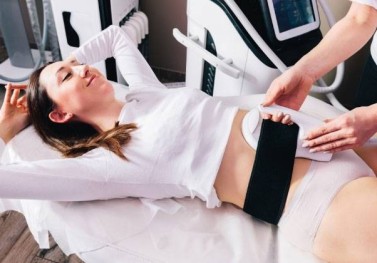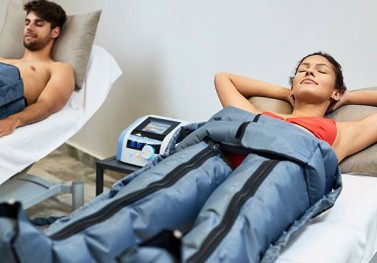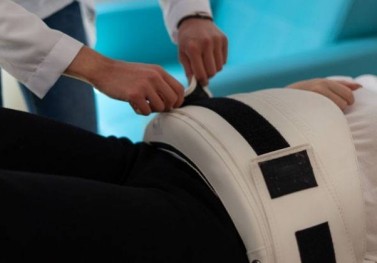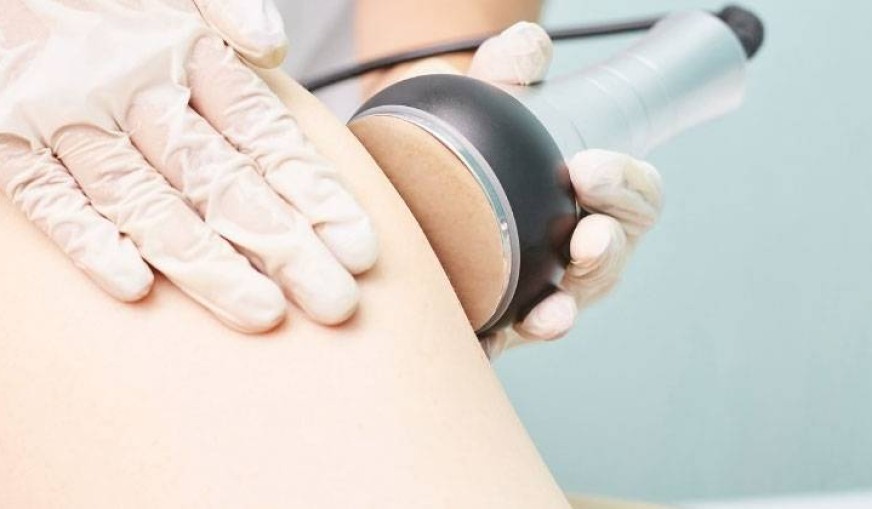
Body contouring is an approach that aims to reduce the appearance of fat in specific areas. Today, many different body-contouring devices are used with the aim of targeting localised fat and improving the look of the skin. But do these devices really work? Here is what you need to know.
1. What are body-contouring devices?
The devices used for localised fat reduction generally work with technologies such as ultrasound, radiofrequency, cryolipolysis and EMS (electrical muscle stimulation). Each of these methods works through a different mechanism.
1.1 Ultrasonic cavitation
- Uses sound waves that are intended to act on fat cells.
- The body is then expected to clear the released fat through its natural lymphatic system.
- May be used on areas such as the abdomen, hips and legs.
1.2 Radiofrequency (RF) technology
- Warms the deeper layers of the skin with the aim of reducing the size of fat cells.
- May support the look of firmer skin by acting on skin elasticity.
- May reduce the appearance of cellulite.
1.3 Cryolipolysis (cold lipolysis)
- Uses cooling with the aim of acting on fat cells.
- The body clears the affected fat cells through the lymphatic system.
- Results can vary considerably from person to person.
1.4 EMS (electrical muscle stimulation)
- Stimulates the muscles with an electrical current so that they contract.
- May support muscle tone as part of body shaping.
- May indirectly support fat loss when combined with other healthy habits.
2. Do body-contouring devices really work?
How these devices work for you depends on your lifestyle and body type. The following factors can affect the outcome:
- Balanced nutrition and exercise: devices should not be expected to give dramatic results on their own. They need to be supported by healthy eating and regular exercise.
- Individual differences: your genetics, metabolism and lifestyle can directly affect the outcome.
- Regular sessions: most devices require a certain number of sessions.
- Use under professional supervision: sessions should be carried out by qualified professionals.
3. Possible advantages of body-contouring devices
- They do not require surgery.
- They are non-invasive methods.
- They may support a reduction in fat in the treated area.
- They may improve the appearance of cellulite and the look of the skin.
4. Limitations of body-contouring devices
- They do not cause weight loss on their own.
- Results vary from person to person.
- A healthy lifestyle is needed to maintain any result.
- Some methods suit certain skin types and body shapes better than others.
5. Who might consider them?
- People with stubborn fat in specific areas.
- People who already follow a healthy lifestyle but want extra support with stubborn areas.
- People who do not want a surgical procedure.
- People who want to improve the look of their skin and the appearance of cellulite.
Used appropriately and supported by a healthy lifestyle, body-contouring devices can be a useful addition. However, they are not a standalone solution. For the most balanced approach, they should be combined with a suitable eating plan, regular exercise and professional supervision. Results vary from person to person.
This article is for general information only; please consult your doctor and dietitian about your own situation.
Book an appointment for a personalised nutrition plan
The information in this article is general; what you need depends on your age, health and goals. Message us and we will build the plan that suits you together.

This content is for information only. For a personalised nutrition programme, please consult a dietitian.