

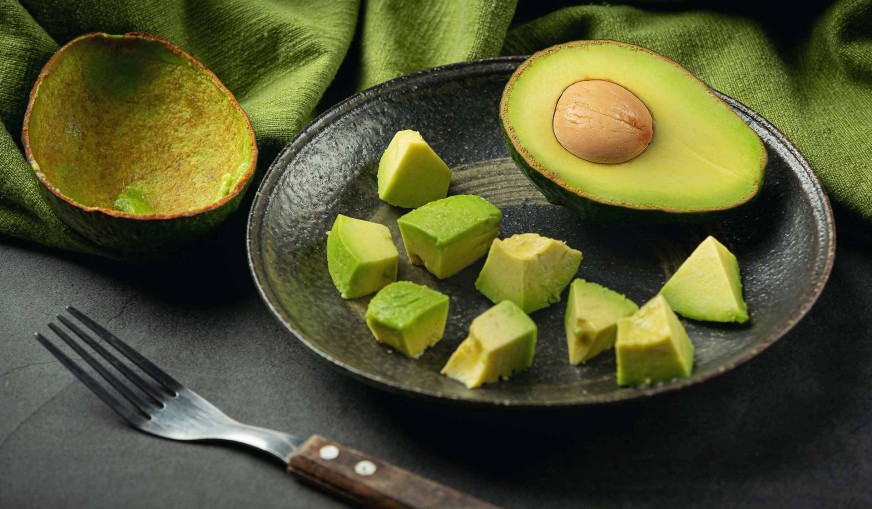
Avocado is one of the first foods to come to mind when we talk about healthy eating. Used in both sweet and savoury dishes for its creamy texture and unique flavour, avocado also offers a range of health benefits. So what are the benefits of avocado, and what is its nutritional value?
The Nutritional Value of Avocado
Avocado is known for its dense nutrient content. The main nutritional values in 100 grams of avocado are as follows:
- Calories: 160 kcal
- Protein: 2 grams
- Carbohydrate: 9 grams
- Sugar: 0.7 grams
- Fibre: 7 grams
- Fat: 15 grams
- Vitamin C: 10 mg
- Vitamin E: 2.1 mg
- Vitamin K: 21 µg
- Vitamin B6: 0.3 mg
- Folate: 81 µg
- Potassium: 485 mg
- Magnesium: 29 mg
The Benefits of Avocado
Avocado stands out for its many health benefits. In general, they are as follows:
It Supports Heart Health
Avocado is rich in monounsaturated fatty acids. These fats may help lower "bad" LDL cholesterol levels, which is relevant to heart health. Its potassium content also helps with the regulation of blood pressure.
It Is Friendly to the Digestive System
Thanks to its high fibre content, avocado contributes to the healthy working of the digestive system. Fibre helps regulate bowel movements and prevent constipation, and it supports gut health.
It Supports Eye Health
Avocado contains carotenoids such as lutein and zeaxanthin. These compounds support eye health and are being studied in relation to age-related eye conditions.
It Can Help with Weight Management
The high fibre and healthy fat content of avocado helps increase the feeling of fullness. This may reduce the urge to overeat and supports weight management. Its low glycaemic index also helps keep blood sugar steady.
It Supports Skin and Hair Health
The benefits of avocado also include support for hair and skin health, because it is rich in vitamin E and healthy fats. Vitamin E helps protect the skin from the harmful effects of free radicals. Avocado oil is also used to nourish hair and add shine.
It Has Antioxidant Properties
Avocado contains powerful antioxidants. These help the body deal with free radicals and limit cell damage, and they support the immune system. Vitamins C and E in particular play a part in protecting the body.
It Supports Bone Health
Avocado is rich in vitamin K. Vitamin K supports bone health by helping calcium to be stored in the bones. Minerals such as magnesium and potassium also contribute to bone health.
It May Help Keep Inflammation in Check
Avocado contains phytochemicals and polyphenols with anti-inflammatory properties. Among the benefits of avocado, therefore, is that it may help keep inflammation in the body in check as part of a healthy diet.
How to Eat Avocado
Avocado can be enjoyed in many ways:
- Salads: Add avocado slices to your salads to boost both flavour and nutritional value.
- Smoothies: Add avocado to your smoothies for a creamy texture and healthy fats.
- Guacamole: Mash avocado and mix it with lemon, tomato, onion and spices to make a tasty guacamole.
- On toast: Spread avocado on wholewheat bread for a nourishing and filling snack.
- Desserts: Use avocado in dessert recipes to make nourishing treats.
Tips for Choosing and Storing
When buying avocados, it is important to check whether they are ripe. A ripe avocado feels slightly soft when pressed gently. You can ripen unripe avocados by leaving them at room temperature for a few days. Once ripe, keep them in the fridge to preserve their freshness.
With its rich nutrient content, avocado has an important place in our eating habits. From heart health to digestion, and from eye health to skin and hair, it can support your health in many areas when included in your daily diet. Making the right food choices matters for a healthy life, and avocado is a good one to consider.
This article is for general information only; please consult your doctor and dietitian about your own situation.
Book an appointment for a personalised nutrition plan
The information in this article is general; what you need depends on your age, health and goals. Message us and we will build the plan that suits you together.

This content is for information only. For a personalised nutrition programme, please consult a dietitian.


