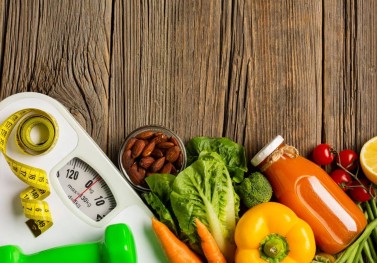
Excess weight carries many health risks. Being very underweight is not healthy either. People below the normal weight range may face low immunity, problems with the reproductive system, vitamin deficiencies and related complaints. For this reason, gaining weight can be as important for health as losing weight.
QUESTIONS ABOUT GAINING WEIGHT
HOW CAN HEALTHY WEIGHT GAIN BE ACHIEVED?
In both gaining and losing weight, the balance between the energy taken in and the energy used determines a person's weight. If the energy taken in from food is less than the energy used, weight loss is seen. So the energy a person takes in from food needs to be increased and needs to be more than the energy used. In addition, if a very high amount of energy is being used, this needs to be looked at too.
HOW SHOULD A WEIGHT-GAIN EATING PLAN BE PREPARED?
As everyone knows, gaining weight is much harder than losing it. If a person loses their appetite whenever they feel stressed, sad or have any change of mood, they keep losing weight.
In weight-gain plans, the first stage is to take the person's history accurately. Blood tests should be requested through the person's doctor to look at possible physiological causes. If there is no problem there, the answers to the following questions should be explored:
- In which situations does the person lose weight? (for example sadness, stress)
- What is their eating routine like?
- What is their physical activity like?
- Do they have any allergies or food interactions?
- What are their sleep and working hours like?
In addition to these questions, the person's general social and eating habits should be assessed and a personal plan prepared.
In a weight-gain plan, low-volume, higher-calorie foods can be preferred, the person's favourite foods kept central, and, where possible, soups and salads not eaten in large amounts.
HOW MUCH WEIGHT CAN I GAIN IN 1 WEEK?
 How much weight a person gains in 1 week depends entirely on the individual, so it varies from person to person. Healthy weight gain is usually gradual, and the aim is steady progress rather than a quick number on the scales. Your dietitian will set an appropriate pace for you.
WILL USING SOMEONE ELSE'S PLAN HELP ME GAIN WEIGHT?
Eating plans are prepared individually. For this reason it is very unlikely that you will get the same result by following a plan prepared for someone else. You may even lose weight when you expect to gain.
ARE WEIGHT-GAIN PILLS HELPFUL?
We are not aware of any pill, syrup, oil, powder or other supplement or medication that reliably leads to healthy weight gain.
For this reason, please be cautious about products on the market that make such promises, and speak to your doctor before using any.
DO VITAMINS MAKE YOU GAIN WEIGHT?
It would be wrong to say that medicines or vitamins make you gain weight. Some medicines increase appetite and some reduce it. What matters here is how the person manages hunger, and weight changes depend on that. Supplementing a vitamin that you are not deficient in, just to gain weight, is not a route to a reliable result.
For example, you might use a supplement without any deficiency, your appetite increases, you gain weight, and then you stop the supplement. You are then likely to lose the weight again. Because long-term results matter, a personal weight-gain plan needs to be followed.
WILL I GAIN WEIGHT IF I DRINK A LOT OF WATER?
Water is a calorie-free drink, so drinking water does not lead to weight gain. If you weigh yourself just after drinking water, you may of course see a higher number on the scales. But because it is passed out through urine during the day, drinking extra water does not help you gain weight.
DOES BREAD MAKE YOU GAIN WEIGHT?
To say whether bread causes weight gain, many variables need to be looked at: what is eaten with the bread, how much of the day's calories it makes up, and the amount of energy used each day. For this reason it would be wrong to give a flat answer. It is entirely possible to manage weight while eating bread, so singling out or blaming one food is not the right approach to weight management.
WHAT MISTAKES ARE MADE WHEN TRYING TO GAIN WEIGHT?
- Drinking fluids with a meal fills your stomach faster and makes you eat less. This also applies to starting a meal with soup.
- Skipping meals or not eating at all is one of the mistakes made in a weight-gain plan.
- Eating very slowly can lead to eating less, because fullness signals begin to reach the brain 15-20 minutes after you start eating. So eating a little more quickly may help during weight gain.
- Eating foods that are large in volume but low in calories.
- Trying to gain weight without specialist support.
WHY IS THE SUPPORT OF A SPECIALIST DIETITIAN IMPORTANT WHEN GAINING WEIGHT?
 It is best for weight-loss and weight-gain plans to be prepared by a dietitian, because a specialist dietitian knows the amount of calories you need when gaining weight and the effects the foods you eat may have on your health. Going through the process with a dietitian can also help the weight you gain to be sustained.
WHAT DO WE DO IN FACE-TO-FACE AND ONLINE DIET SESSIONS?
When you make an appointment and come to our office in Ataşehir, your body analysis is carried out. After a detailed discussion of how long it may take and what path we will follow, we prepare an eating plan suited to you and your lifestyle. We hold weekly check-ins and make any necessary changes to the plan at these check-ins.
In online sessions we carry out the process by video or telephone call. After the person weighs themselves on their own scales and sends their weight and the requested body measurements, a personal eating plan is prepared and weekly check-ins are held.
In both face-to-face and online sessions, blood tests are requested before the process begins. This way, if there is any biological issue, the eating plan can be prepared to suit it by the specialist dietitian.
This article is for general information only; please consult your doctor and dietitian about your own situation.
Book an appointment for a personalised nutrition plan
The information in this article is general; what you need depends on your age, health and goals. Message us and we will build the plan that suits you together.

This content is for information only. For a personalised nutrition programme, please consult a dietitian.