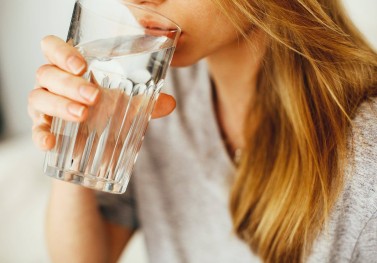
First, supporters of water therapy drink 4-5 glasses (180 ml each) of room-temperature water on an empty stomach every morning, 45 minutes before any food or drink. (You can start with just 1-2 glasses and increase the amount gradually.) Then, for the rest of the day, you drink water as you normally would, following your thirst.
Most supporters recommend eating for only 15 minutes at a time, leaving a gap of at least 2 hours before eating or drinking anything else.
Although water therapy has no restrictions on what or how much you eat, sustainable weight management requires healthy food choices, not just hydration.
The water diet, or Japanese water therapy, is completely different from a water fast.
How Is the Water Diet Done?
As soon as you wake up, 4-6 glasses of room-temperature water are drunk on an empty stomach.
Lemon can be squeezed into the water.
Breakfast is eaten 45 minutes later.
During the day, nothing is eaten or drunk for a 2-hour gap around each meal.
Meals are finished within 15 minutes.
Claimed Benefits of the Water Diet
Supporters of Japanese water therapy claim that it helps cleanse your digestive system, improves gut health, prevents constipation, and reduces the risk of conditions such as type 2 diabetes, cancer and high blood pressure. However, no scientific evidence supports such claims. Even so, drinking enough water keeps you hydrated, which can support optimal brain function, energy levels and blood pressure. It may also help with headaches, constipation and kidney stones.
Because water takes up space in your stomach, drinking more of it may create a feeling of fullness. This may help with cravings and overeating, which can contribute to unwanted weight gain.
In one study, overweight or obese adults who drank 500 ml of water half an hour before a meal were observed to eat 13% less than adults who did not drink anything before the meal. Another study in middle-aged men gave similar results.
Finally, the 15-minute eating windows and the breaks between meals and snacks may reduce calorie intake further.
Risks of the Water Diet
Very few scientific studies have been carried out specifically on Japanese water therapy, and the weight results for similar patterns of water intake are mixed.
Although adequate hydration is good for general health, as with everything, drinking too much water is not healthy.
It can seriously lower the sodium concentration in your blood and lead to a dangerous condition called hyponatraemia. If left untreated, hyponatraemia can cause nausea, vomiting, seizures, coma and even death. It is also known in everyday language as water intoxication.
Hyponatraemia is rare in healthy people with normally functioning kidneys, but it is best to avoid drinking more than the maximum amount of water healthy kidneys can filter, which is about 4 glasses (945 ml) per hour.
Although drinking the recommended 4-5 glasses in the morning is safe for most adults, for some people this amount may be too much to drink comfortably and safely. Listen to your body and stop drinking as soon as you start to feel uncomfortable.
In summary, if you drink more water in a short time than Japanese water therapy recommends, you risk overhydration.
Even so, adequate hydration may support weight management by helping you feel full and avoid overeating.
This article is for general information only; please consult your doctor and dietitian about your own situation.
Book an appointment for a personalised nutrition plan
The information in this article is general; what you need depends on your age, health and goals. Message us and we will build the plan that suits you together.

This content is for information only. For a personalised nutrition programme, please consult a dietitian.