Contents
- WHAT IS THE DASH DIET?
- WHAT ARE THE GENERAL AIMS OF THE DASH DIET?
- WHAT HEALTH AREAS HAS THE DASH DIET BEEN STUDIED IN?
- HOW IS THE DASH DIET FOLLOWED?
- WHAT ARE THE EFFECTS OF FOODS IN THE DASH DIET?
- WHICH FOODS ARE LIMITED IN THE DASH DIET?
- WHICH ACTIVITIES SHOULD SUPPORT THE DASH DIET?
- WHY IS PROFESSIONAL GUIDANCE IMPORTANT ON THE DASH DIET?
WHAT IS THE DASH DIET?
DASH stands for Dietary Approaches to Stop Hypertension. The DASH diet is a healthy eating plan designed to support healthy blood pressure. It includes foods rich in potassium, calcium and magnesium, nutrients that help the body regulate blood pressure. Foods in the DASH diet should be low in sodium, and the diet limits foods containing sodium, saturated fat and added sugar.
WHAT ARE THE GENERAL AIMS OF THE DASH DIET?
Studies suggest that the DASH diet can lower blood pressure and blood levels of low-density lipoprotein (LDL, or "bad") cholesterol in as little as two weeks. High blood pressure and high LDL cholesterol are two important risk factors for heart disease and stroke.
WHAT HEALTH AREAS HAS THE DASH DIET BEEN STUDIED IN?
Some studies provide practical evidence that adopting the DASH diet over the long term, which may be a helpful approach for many non-communicable diseases, has a lasting effect on health, including through its accessibility and closeness to healthy food choices.
Cardiovascular diseases are a group of conditions including coronary heart disease, hypertension, ischaemic heart disease, stroke and heart failure. The main risk factors linked to cardiovascular disease are tobacco use, diabetes, abnormal cholesterol levels, obesity, physical inactivity or a sedentary lifestyle.
Hypertension is a condition that doctors manage by addressing all of these factors, and following the DASH diet can be part of that approach. The DASH diet is a specifically recommended eating pattern promoted in the United States. The DASH diet not only meets a person's daily nutritional needs but is also associated with some functional benefits, such as supporting weight management and various regulatory processes.
Studies have reported that the DASH diet lowers systolic and diastolic blood pressure. It has been associated with favourable changes in cholesterol and LDL, with minimal changes in triglycerides, and a reduction in cholesterol concentrations. Excess saturated fatty acids and glucose mediate the relationship between diet and heart failure, and the DASH diet is considered helpful in this respect too. In addition, several potential physiological effects of the DASH diet, including the oestrogen-like effects of phytochemicals and reduced oxidative stress, have been reported in the literature and are often linked with a lower risk of cardiovascular disease.
In recent years, evidence supporting the role of nutrition in Alzheimer's disease has been growing. Reducing oxidative stress is thought to play a key role. One randomised controlled study of 124 participants with high blood pressure concluded that the DASH diet combined with calorie restriction improved neurocognitive function.
The DASH diet has also been found to lower serum uric acid levels in people with hyperuricaemia. People with hyperuricaemia are at risk of a painful inflammatory condition called gout. Since people with gout often have high blood pressure and other cardiovascular conditions, the DASH diet is considered a suitable eating pattern to discuss with your doctor, and it may also help support a lower risk of diabetes and kidney disease.
HOW IS THE DASH DIET FOLLOWED?
The DASH diet is rich in potassium, calcium, magnesium, fibre and protein, along with antioxidants. Red meat, sweets and sugary drinks are generally left out. It is low in saturated fat and sodium. Nuts and seeds are included on the menu, and semi-skimmed milk and dairy products are preferred. The plan is rich in fibre, with plenty of vegetables, fruit and wholegrains. Eating fish (especially seasonal fish) is quite important in the DASH diet.
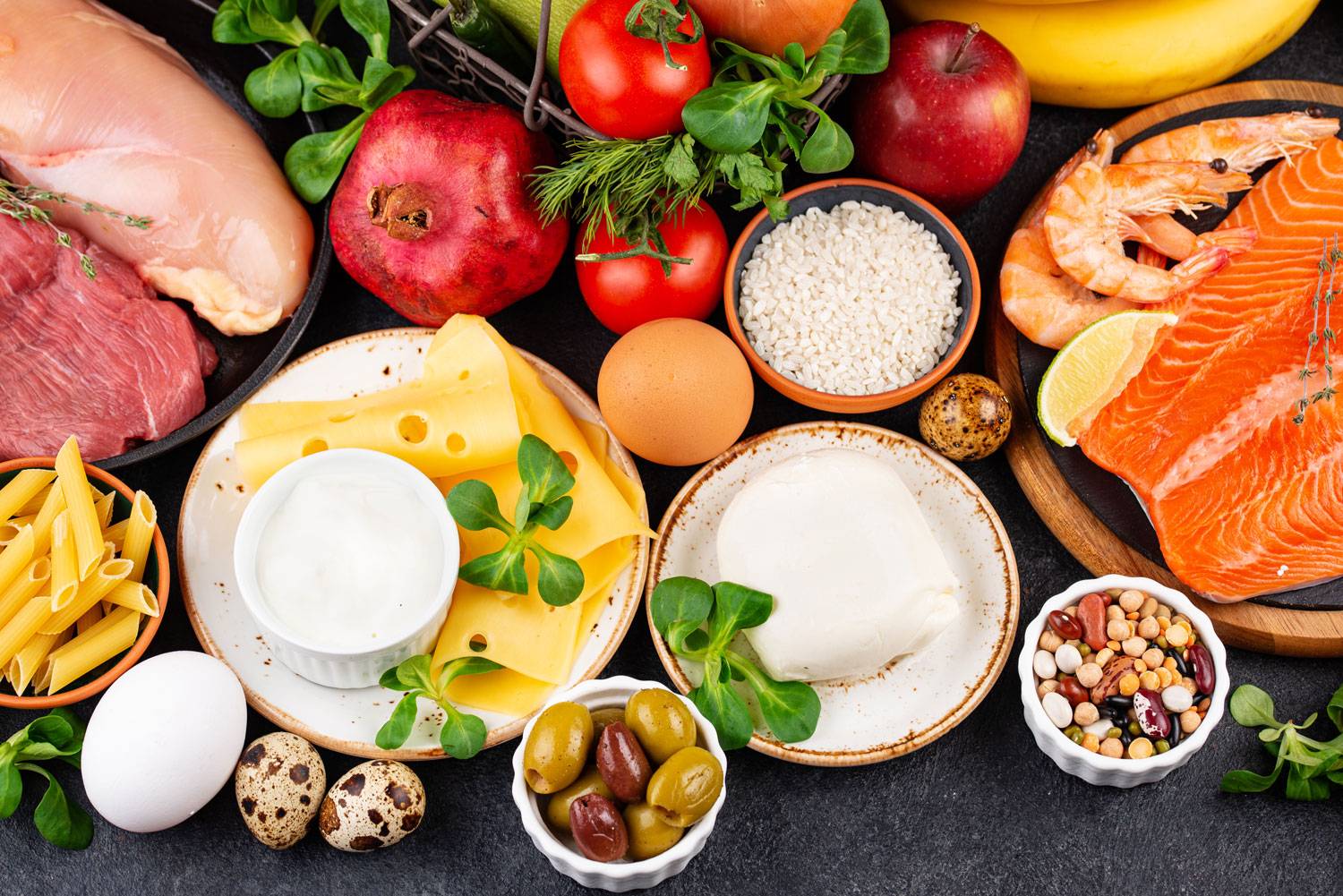 People with lactose intolerance or food allergies may need to follow a DASH diet that uses allergen-free or lactose-free alternatives. Because of the high fibre content of plant foods such as fruit, vegetables and wholegrains, some people may notice gas and bloating when starting the diet. This can be minimised by adding one or two new high-fibre foods per week.
To reduce sodium, you can use sodium-free herbs and spices or flavourings instead of salt. You can choose fresh, frozen or tinned vegetables. Fresh or frozen skinless poultry, fish and lean cuts of meat are preferable. Reading food labels and choosing low-sodium or unsalted options is very important.
| FOOD GROUP | Servings per day for 1,600-3,000 kcal | Servings per day for 2,000 kcal |
| Grains | 6 - 12 | 7 - 8 |
| Fruit | 4 - 6 | 4 - 5 |
| Vegetables | 4 - 6 | 4 - 5 |
| Milk, skimmed or low-fat | 2 - 4 | 2 - 3 |
| Meat, poultry and fish | 1.5 - 2.5 | 2 or fewer |
| Nuts, seeds and pulses | 3 - 6 per week | 4 - 5 per week |
| Fats and oils | 2 - 4 | Limited |
WHAT ARE THE EFFECTS OF FOODS IN THE DASH DIET?
To follow the DASH diet, you first decide on the energy level of your diet and then eat the recommended servings from each food group through the day. In people with hypertension, intake of minerals such as potassium, magnesium and calcium is increased through the diet to support healthy blood pressure. The DASH diet is rich in foods containing potassium, calcium, magnesium, fibre and protein. Getting these minerals in good amounts through more fruit and vegetables has been associated with healthier blood pressure levels and a lower risk of coronary heart disease and stroke. Magnesium and potassium intake is also important for supporting cardiovascular health. As part of healthy eating, adequate calcium together with exercise may help reduce the risk of osteoporosis later in life.
Red meat, sweets and sugary drinks are generally limited in the DASH diet. Past research has linked red meat with a higher risk of diabetes, cardiovascular disease and some cancers, and studies also point to a higher mortality risk from red meat intake. Too much sugar can lead to weight gain. Being overweight increases your risk of health problems such as heart disease, cancer and diabetes. By limiting these foods, the DASH diet helps keep many health risks lower.
The sodium content of the DASH diet is low. The body needs only a small amount of sodium to carry out its functions. Too much sodium can raise blood pressure, and high blood pressure is an important risk factor for heart disease and stroke. Excess sodium intake mostly comes from salt.
In the DASH diet, semi-skimmed milk and dairy products are preferred. Full-fat milk and dairy products are generally the greatest source of saturated fat, which has been linked with a higher risk of heart disease, type 2 diabetes and Alzheimer's disease. Some studies have also linked dairy products with a higher risk of breast, ovarian and prostate cancer.
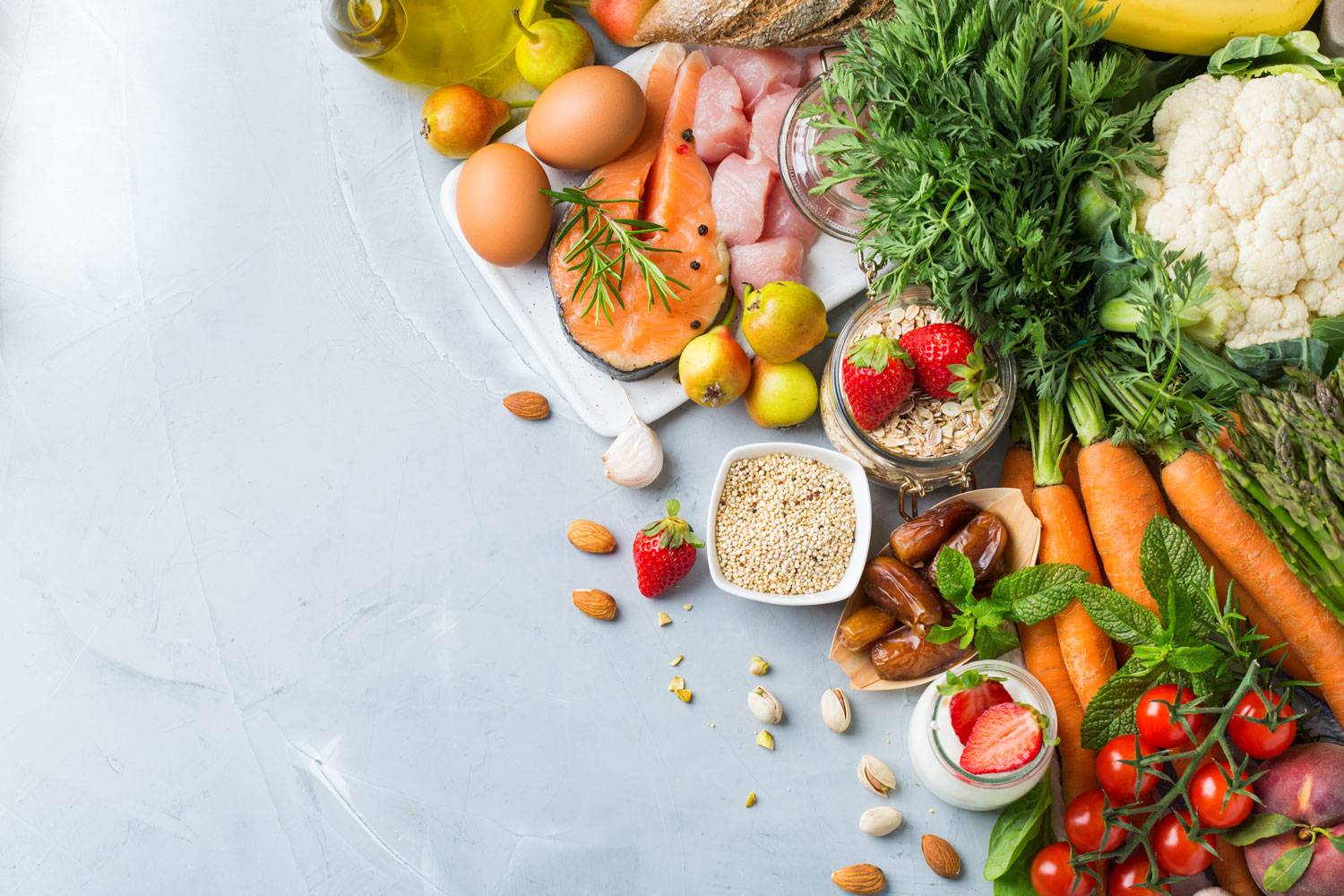 The DASH diet follows a fibre-rich plan with plenty of vegetables and fruit. Fruit and vegetables are a good source of vitamins and minerals, including folate, vitamin C and potassium. They are also an excellent source of dietary fibre, which can help keep the gut healthy and prevent constipation and other digestive problems. A high-fibre diet may also lower your risk of bowel cancer, and fruit and vegetables may help reduce the risk of heart disease, stroke and some types of cancer. They contribute to a healthy, balanced diet.
Eating fish (especially seasonal fish) is quite important in the DASH diet. Fish is full of omega-3 fatty acids and vitamins such as D and B2 (riboflavin). Fish is rich in calcium and phosphorus, and also in minerals such as iron, zinc, iodine, magnesium and potassium. The American Heart Association recommends eating fish at least twice a week as part of a healthy diet.
WHICH FOODS ARE LIMITED IN THE DASH DIET?
The DASH diet limits foods that can affect your blood pressure and heart health negatively. In the DASH diet, fatty meats, full-fat dairy products, sugary foods and drinks and sodium (salt) should be greatly limited. Fatty cheeses, kashar cheese, deli meats, red meat, lard, butter and fried foods are also among the foods to avoid.
WHICH ACTIVITIES SHOULD SUPPORT THE DASH DIET?
Combining the DASH diet with a regular physical activity programme such as walking or swimming can support healthy weight management and long-term well-being. You can do 30 minutes of physical activity a day. To avoid weight gain, about 60 minutes of physical activity a day may be helpful.
WHY IS PROFESSIONAL GUIDANCE IMPORTANT ON THE DASH DIET?
The standard DASH diet limits sodium to 2,300 mg per day. This is the amount of sodium in 1 teaspoon of table salt. Where a lower sodium intake is needed, sodium should be limited to 1,500 mg per day. It is important to get help from professionals to find the version of the diet that meets your personal health needs and which sodium level suits you. Nutrition and medication plans should be personal and set by doctors and dietitians.
Some foods fall into questionable categories: bagels, although they have very low nutrient content and no fibre, are placed in the grains group; frozen yoghurt, although it contains calcium and vitamin D, is high in added sugar yet is placed in the dairy group. Which category a food belongs to, and whether it can be eaten, should be decided with a professional.
This article is for general information only; please consult your doctor and dietitian about your own situation.
Book an appointment for a personalised nutrition plan
The information in this article is general; what you need depends on your age, health and goals. Message us and we will build the plan that suits you together.

This content is for information only. For a personalised nutrition programme, please consult a dietitian.