

Mediterranean Diet vs Keto: Which Is Healthier?
The primary difference between the Mediterranean diet and the ketogenic diet lies in macronutrient distribution and sustainability.
20 results found
The primary difference between the Mediterranean diet and the ketogenic diet lies in macronutrient distribution and sustainability.

The Mediterranean diet is a flexible, evidence-based way of eating built on vegetables, whole grains, legumes, fish and olive oil, adapted to your own routine.

What are the symptoms of menopause, and how should you eat with hot flushes and weight gain? Nutrition advice for bone, heart and muscle health.
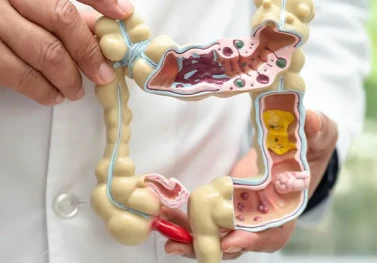
Nutrition management in Crohn's disease requires different strategies depending on whether it is a flare-up or remission period.

Personalized nutrition and weight management is a scientific approach tailored to an individual's metabolic characteristics and lifestyle.

The first step in managing emotional eating is recognizing the difference between physical and emotional hunger.

The connection between insulin resistance and the ketogenic diet is based on the potential of low carbohydrate intake to regulate metabolic responses.

Turkish dietitians abroad can help you develop healthy eating habits without losing your cultural taste preferences.

The use of antibiotics in poultry can increase the risk of antibiotic resistance in humans if misapplied.

The harms of severe underweight can threaten health in a wide range from weakened immune system to osteoporosis.

The answer to what to eat on a ketogenic diet lies in low-carb vegetables, healthy fats, and high-quality protein sources.

Vegetarian nutrition during pregnancy is a safe option for both mother and baby when properly planned under expert guidance.

The answer to “Why can't I gain weight?” often lies in metabolic rate, genetic factors, or underlying medical conditions.

Smoothie recipes that promote weight gain are a practical way to support healthy weight increase with high energy density.

Understanding the differences between popular diets and evidence-based nutrition is crucial for long-term health.

Nutrition for insulin resistance is a general approach that aims to support blood sugar balance and to understand diabetes risk; it should be considered together with medical follow-up.

Discover scientifically backed methods to transform your eating habits with the Vegetarian Transition Guide.

Localised slimming applications can accompany a nutrition programme when the device and session plan suit your tissue. Results vary from person to person.

The ketogenic diet is a very low-carbohydrate, high-fat eating plan. It is not suitable for everyone and should only be followed with professional supervision.

A personalised heart-healthy eating plan, based on the DASH approach, to support your cardiologist's treatment for blood pressure and cholesterol.